Bordj Moussa Museum – Béjaïa
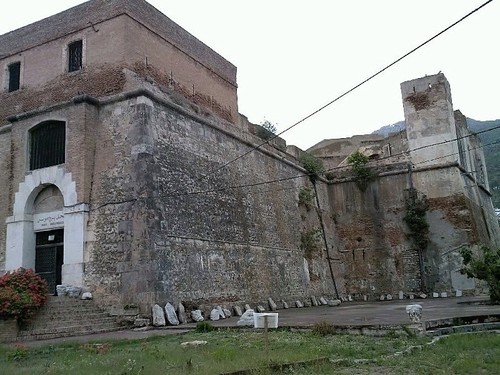
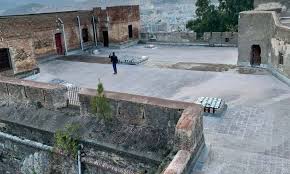
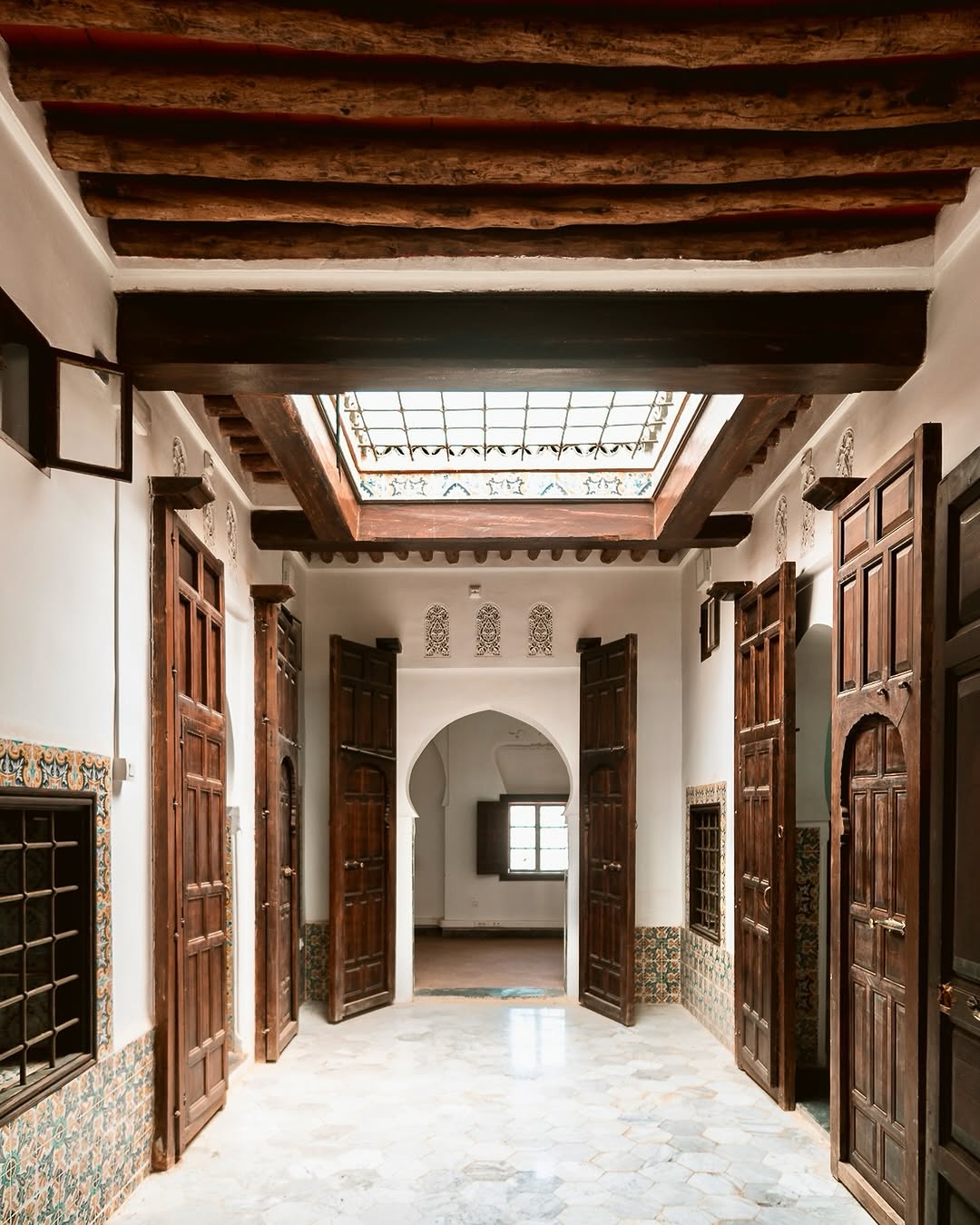
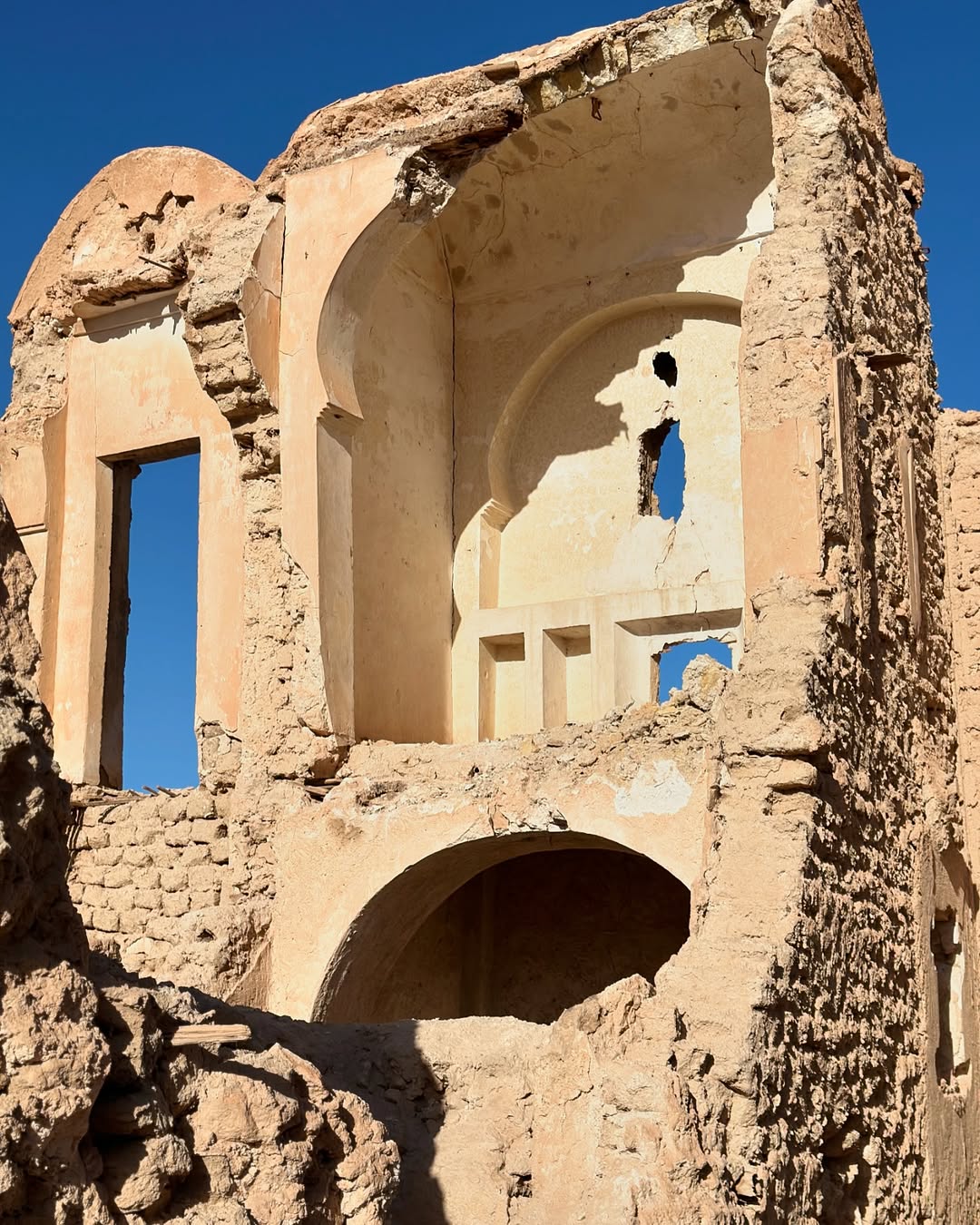
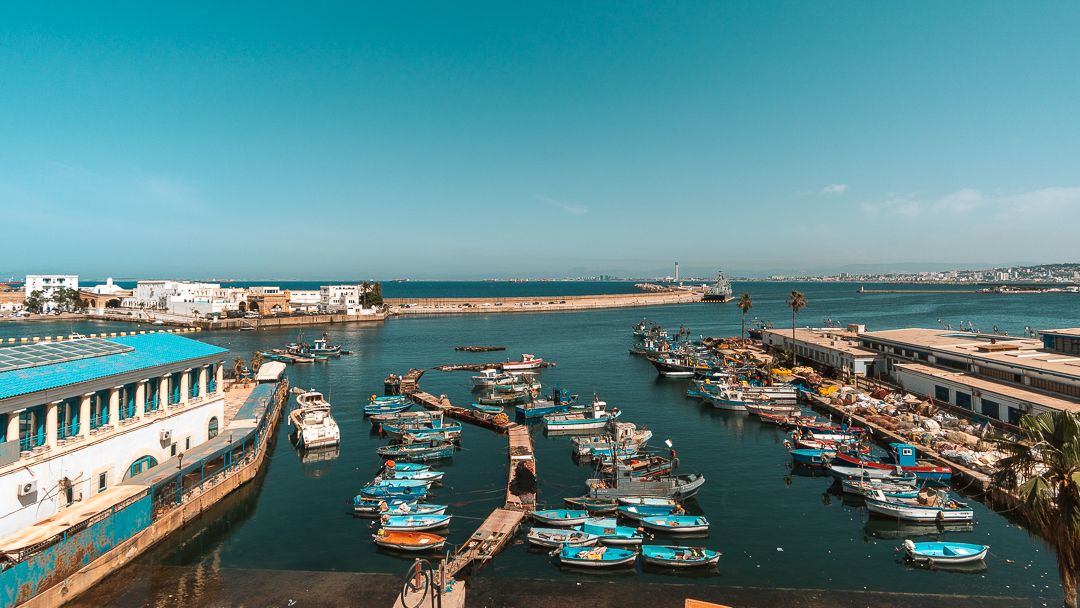
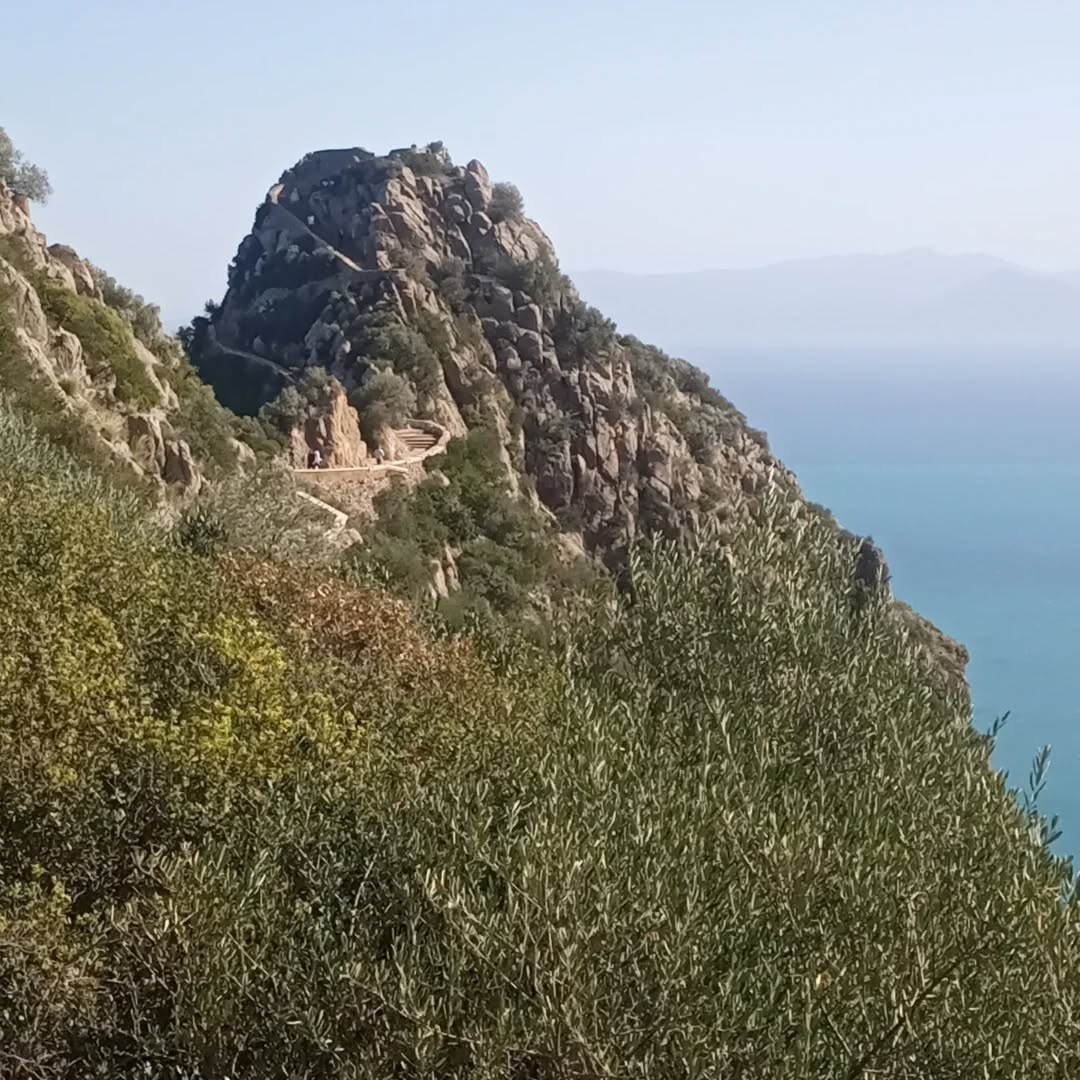
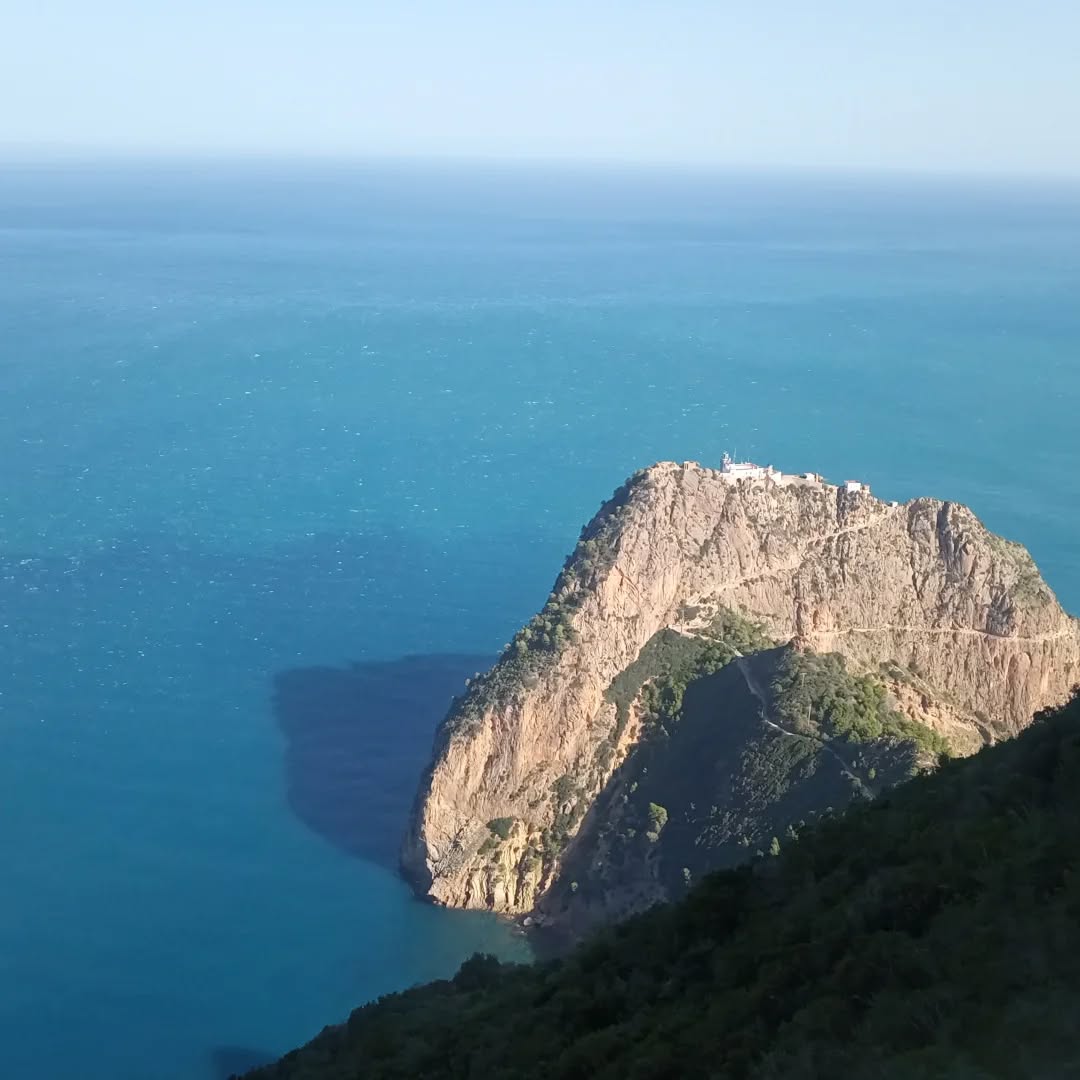
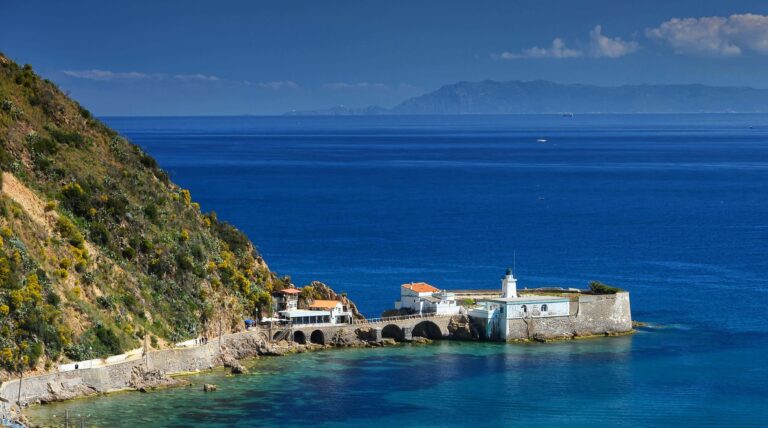
Perched on the heights of Béjaïa, the Bordj Moussa Museum occupies an old 16th-century Spanish fort, built by Ferdinand de Navarro on the ruins of the Palace of the Star. Initially a military fort under the reign of Charles V, it became a stronghold during the Turkish period, then a prison under French colonization, known as Fort Barral. Since 1989, it has been transformed into a museum, housing treasures ranging from prehistory to the contemporary era.
📜 History and Architecture
-
1539: Construction by the Spanish (ground plan found).
-
1555: Conquest by Salah Raïs Pacha, departure of the Spanish, occupation by the Turks.
-
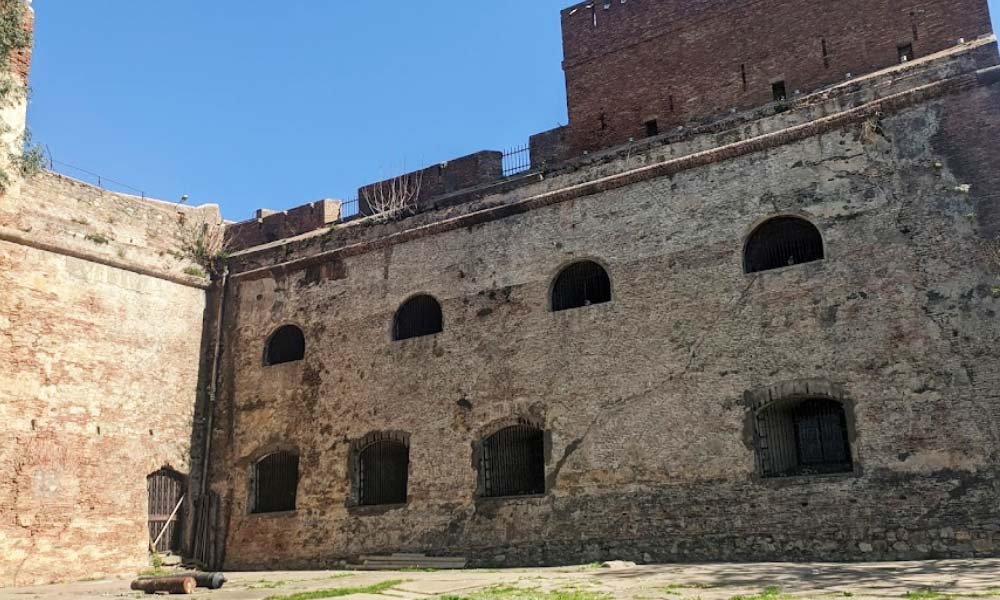
Defensive Architecture: walls over 2 meters thick, watchtowers, central terrace, north side in a "V" shape to encircle the enemy.
🖼 Museum Collections
-
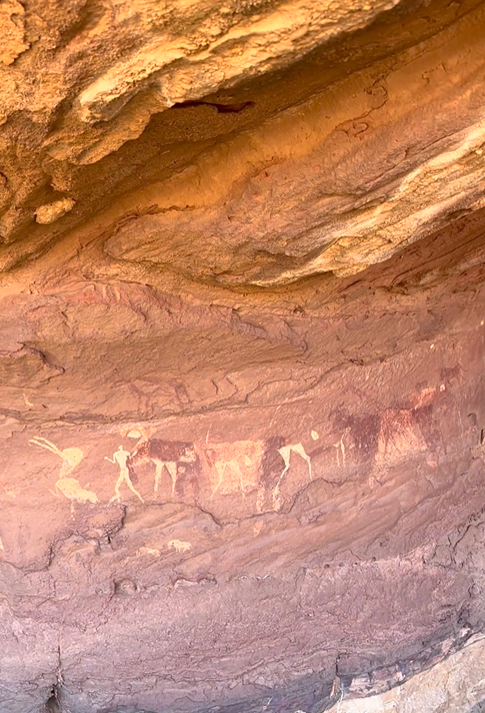
Archaeology: carved stones, tools, prehistoric jewelry, human and animal bones, beads, ostrich bones.
-
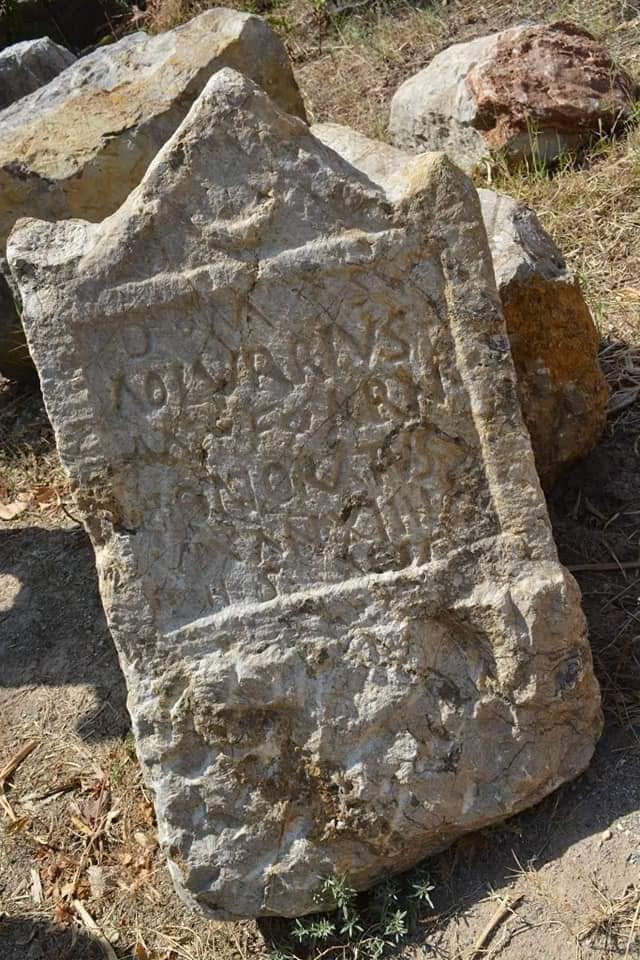
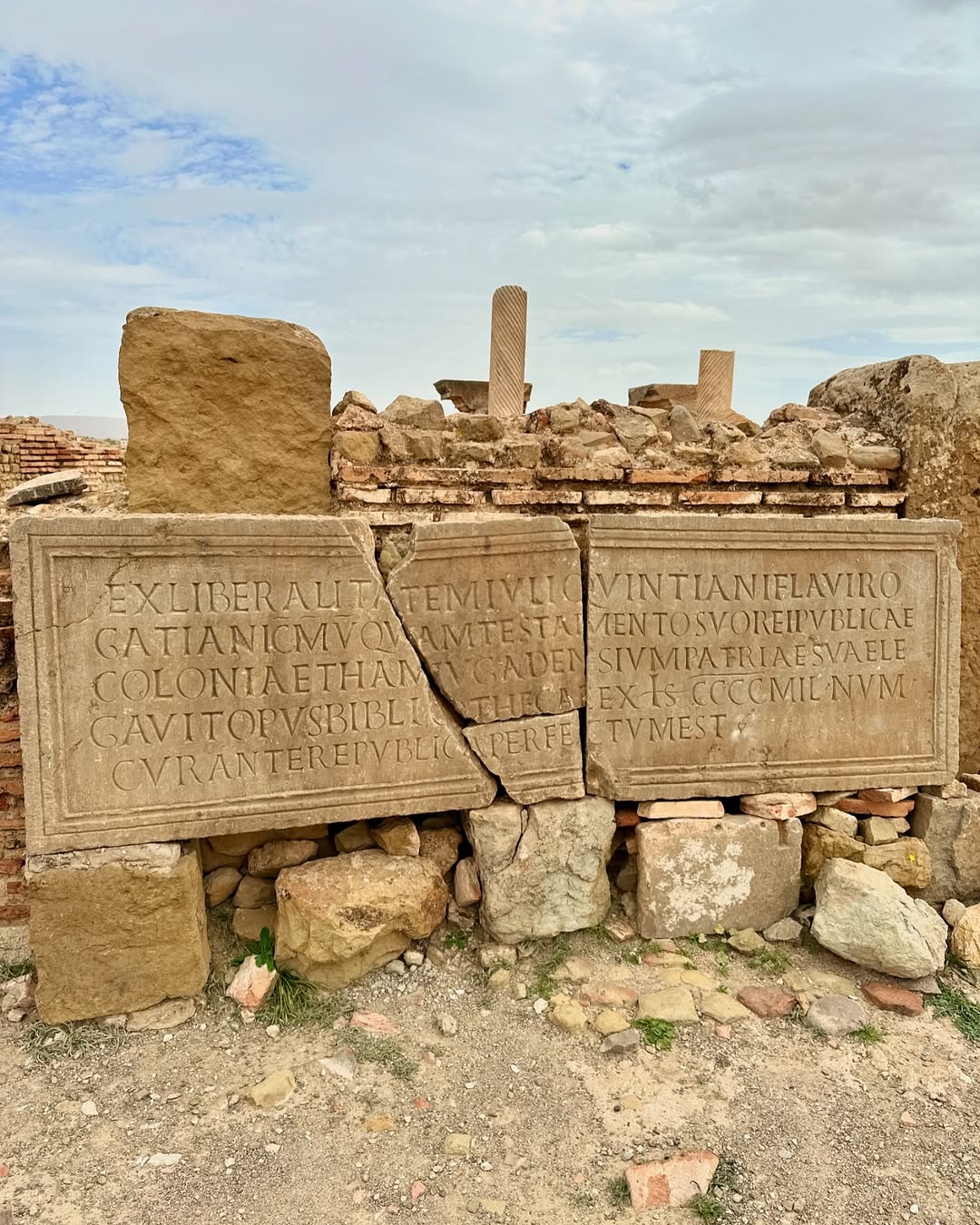
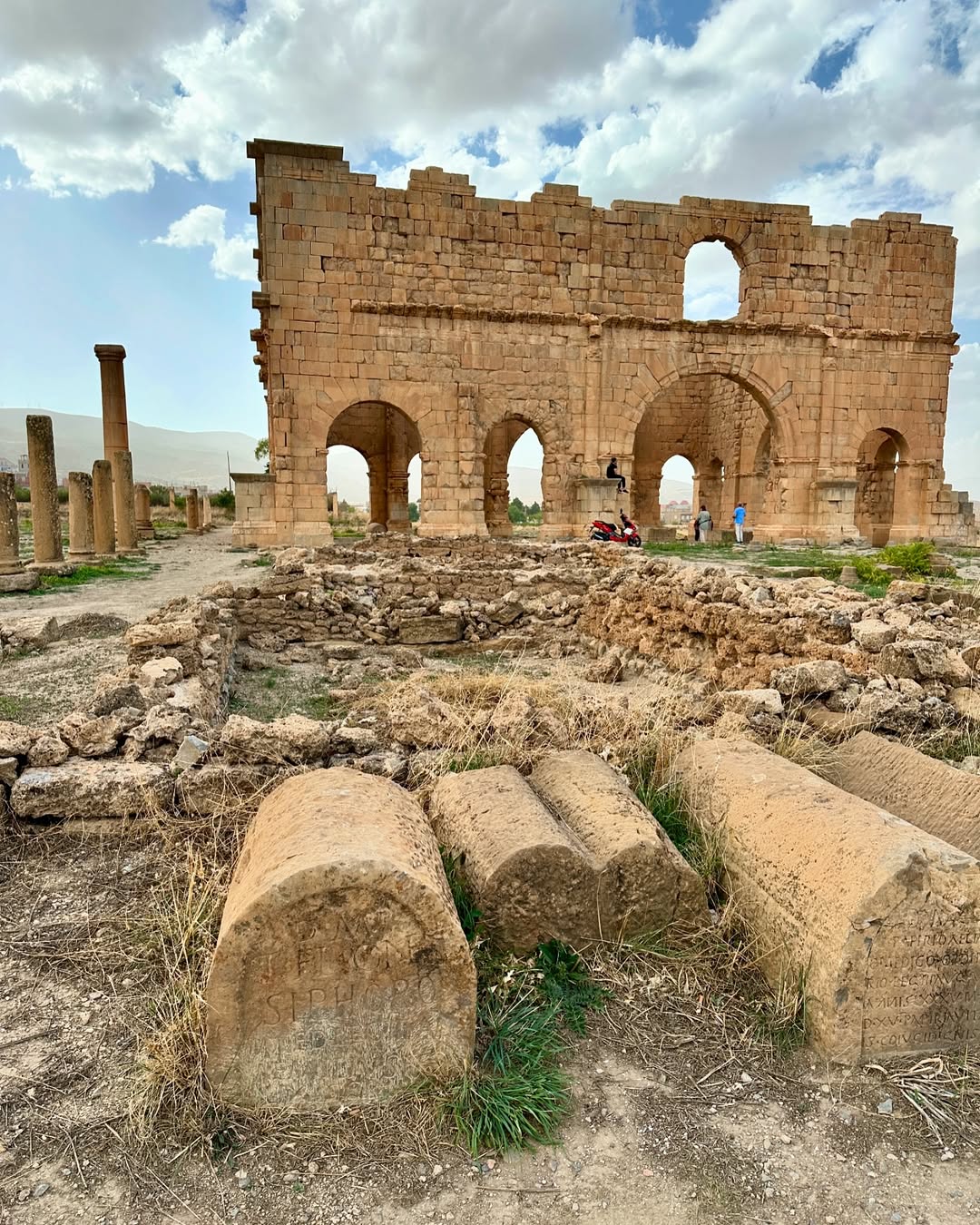
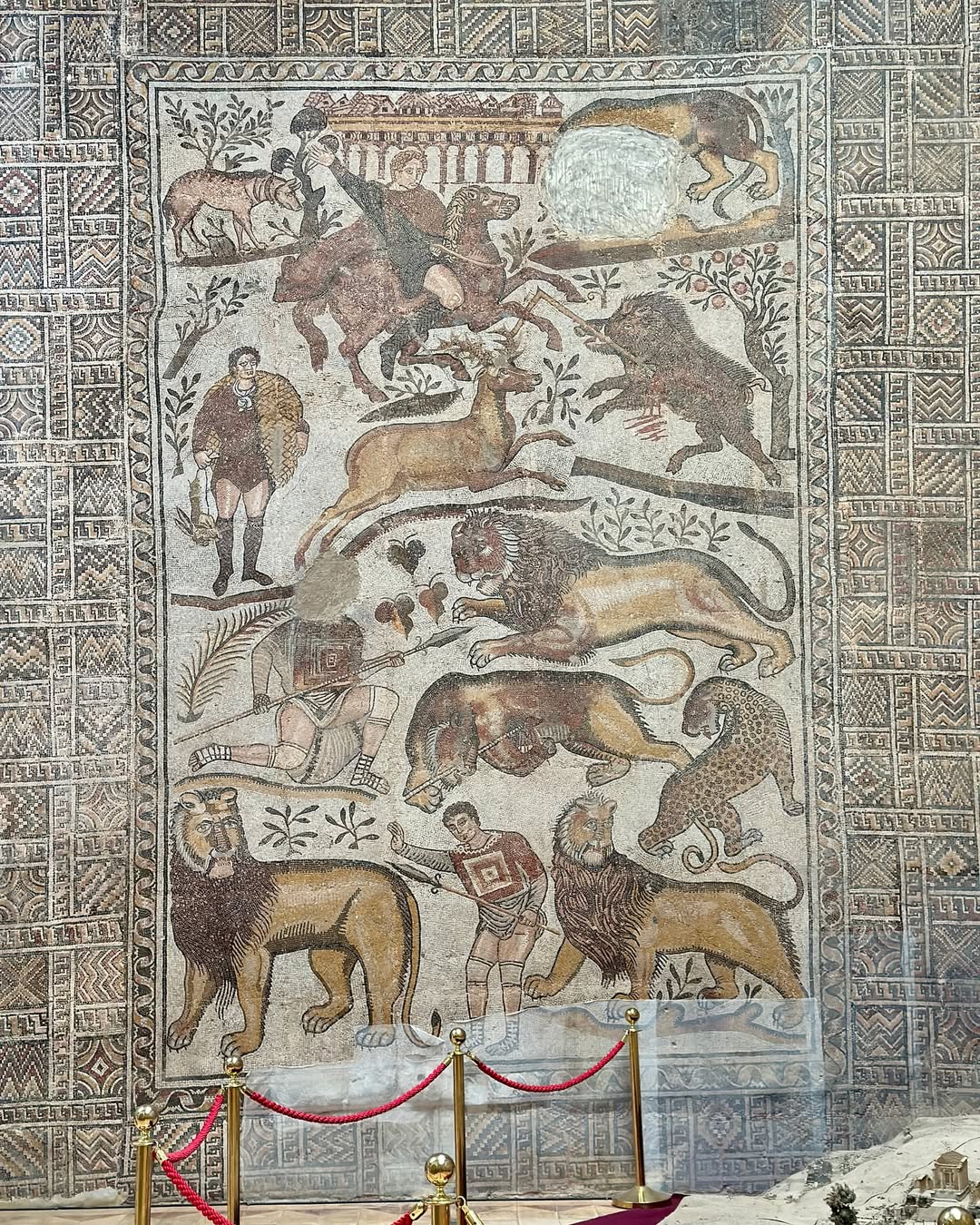
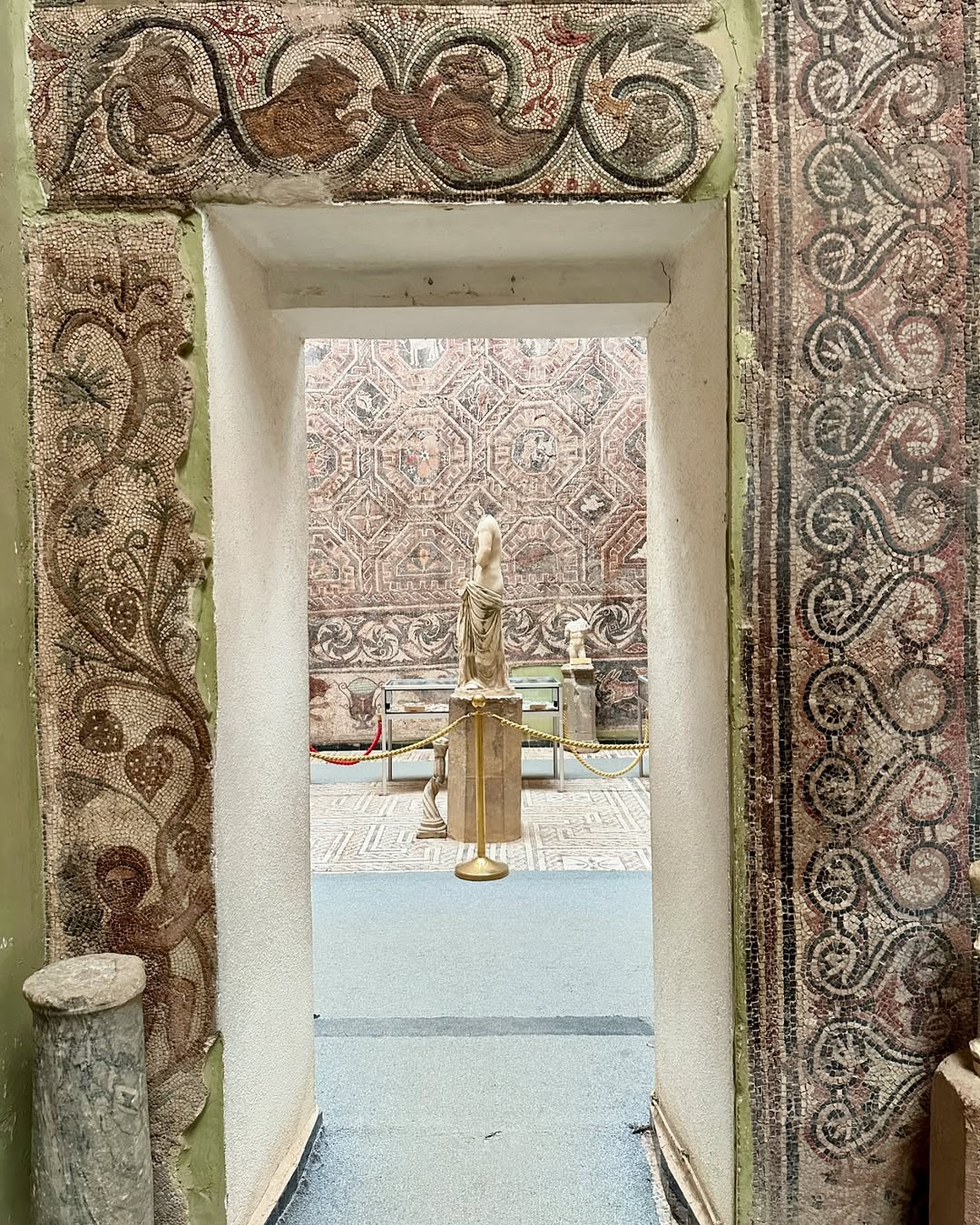
Antiquity: Roman stelae, bust of Emperor Caracalla.
-
Sculptures: NEO-BID by Camille Claudel (masterpiece), Samson and Delilah by Just-Becquet, Satire by J. Esconla, Foehr by S. Erica.
-
Paintings: works by Émile Aubry (French painter born in Sétif) and other ancient and contemporary artists.
📍 Why Visit?
-
Delve into the history of Béjaïa from the 16th century to the present day.
-
Admire a masterpiece of military architecture.
-
Discover a unique collection blending prehistory, antiquity, and modern art.