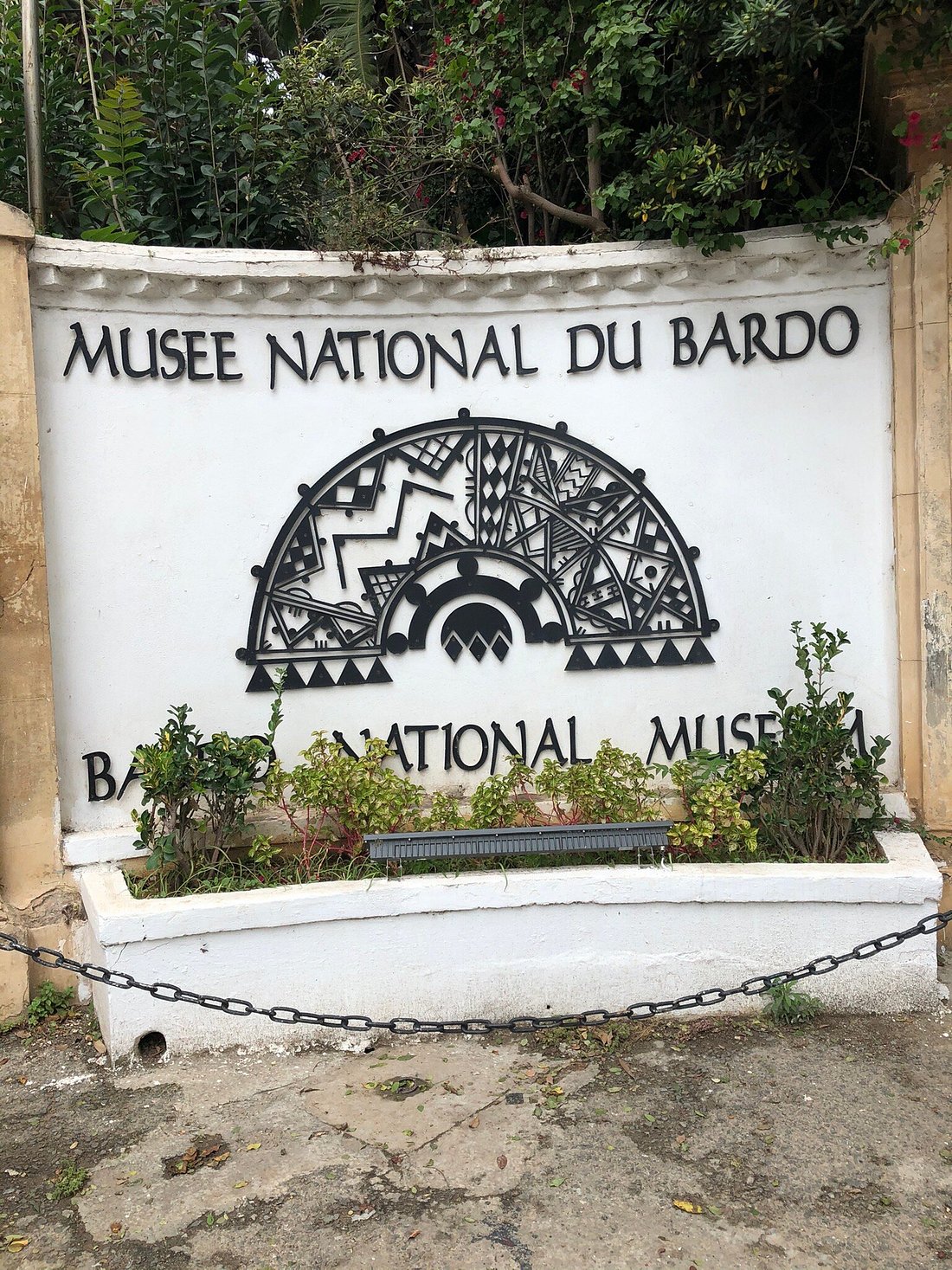

Located in Sidi M’Hamed, in the heart of Algiers, the Bardo National Public Museum is one of the capital’s leading museums for discovering prehistory, ethnography and Algerian cultural heritage. It occupies a remarkable historic villa whose origins likely date back to the 18th century.
The museum houses extensive archaeological, anthropological and ethnographic collections, offering an exploration of several periods of Algeria’s ancient history and the country’s diverse traditions and ways of life.
The Bardo National Museum in Algiers is a key destination for visitors wishing to better understand the origins of human settlement in Algeria and the evolution of the societies that have inhabited its territory.
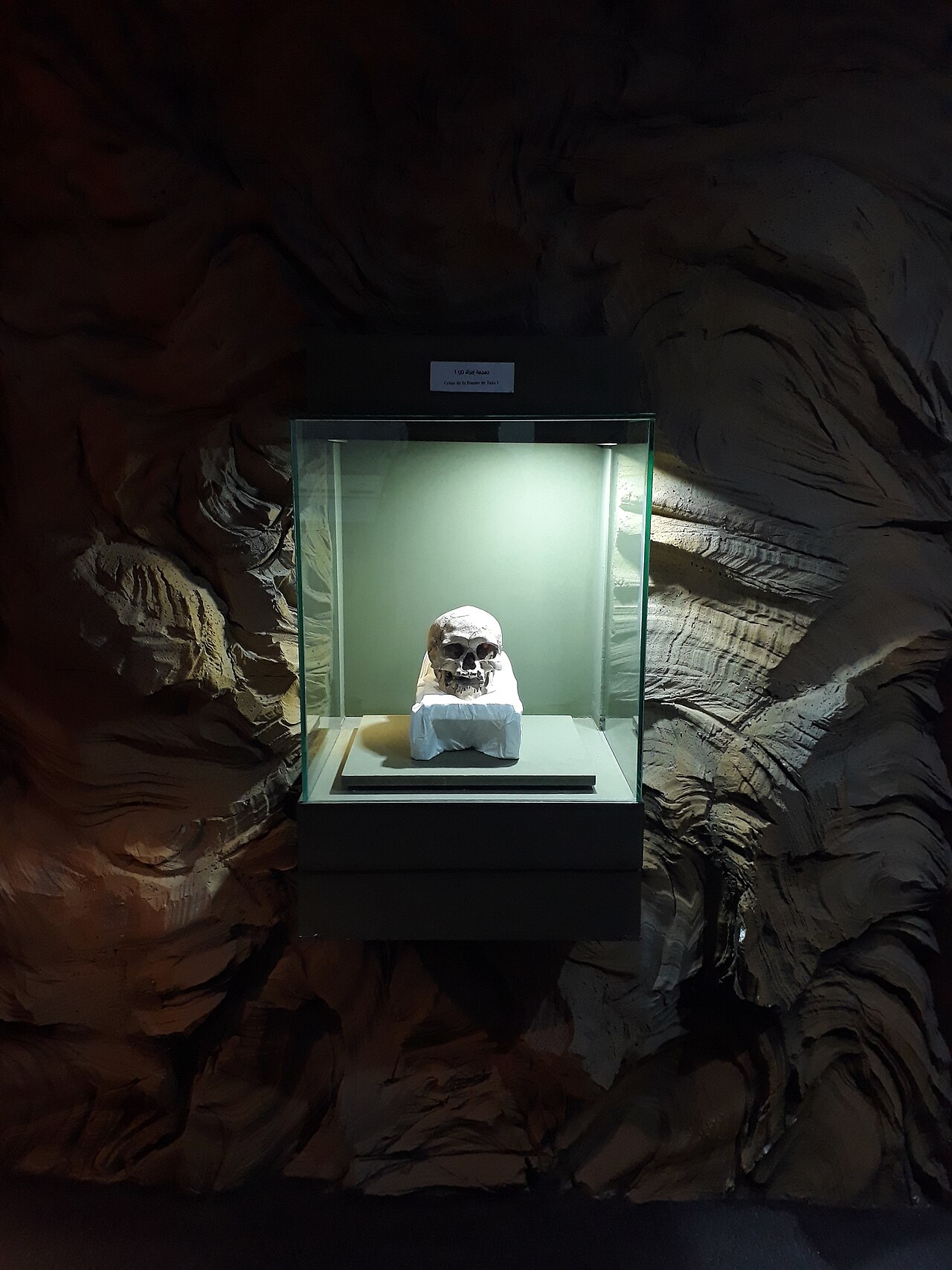
Its prehistoric collections include objects from various archaeological excavations, Palaeolithic and Neolithic remains, funerary objects from burial mounds and dolmens, as well as depictions and records of rock art.
The Bardo Museum is located in an area particularly well suited to continuing a day of cultural exploration in Algiers. The National Public Museum of Antiquities and Islamic Arts is nearby, along with several other cultural and heritage institutions.
After their visit, travellers can continue exploring central Algiers, its museums, monuments and historic neighbourhoods.
With Destination Algeria, discover museums, monuments, historic sites, galleries, artisans and a variety of cultural experiences in Algiers and across Algeria.
The museum therefore plays an essential role in preserving, studying and promoting Algeria’s prehistoric heritage.
Among the historical figures closely associated with the Bardo Museum is Tin Hinan, an iconic figure in Tuareg history.
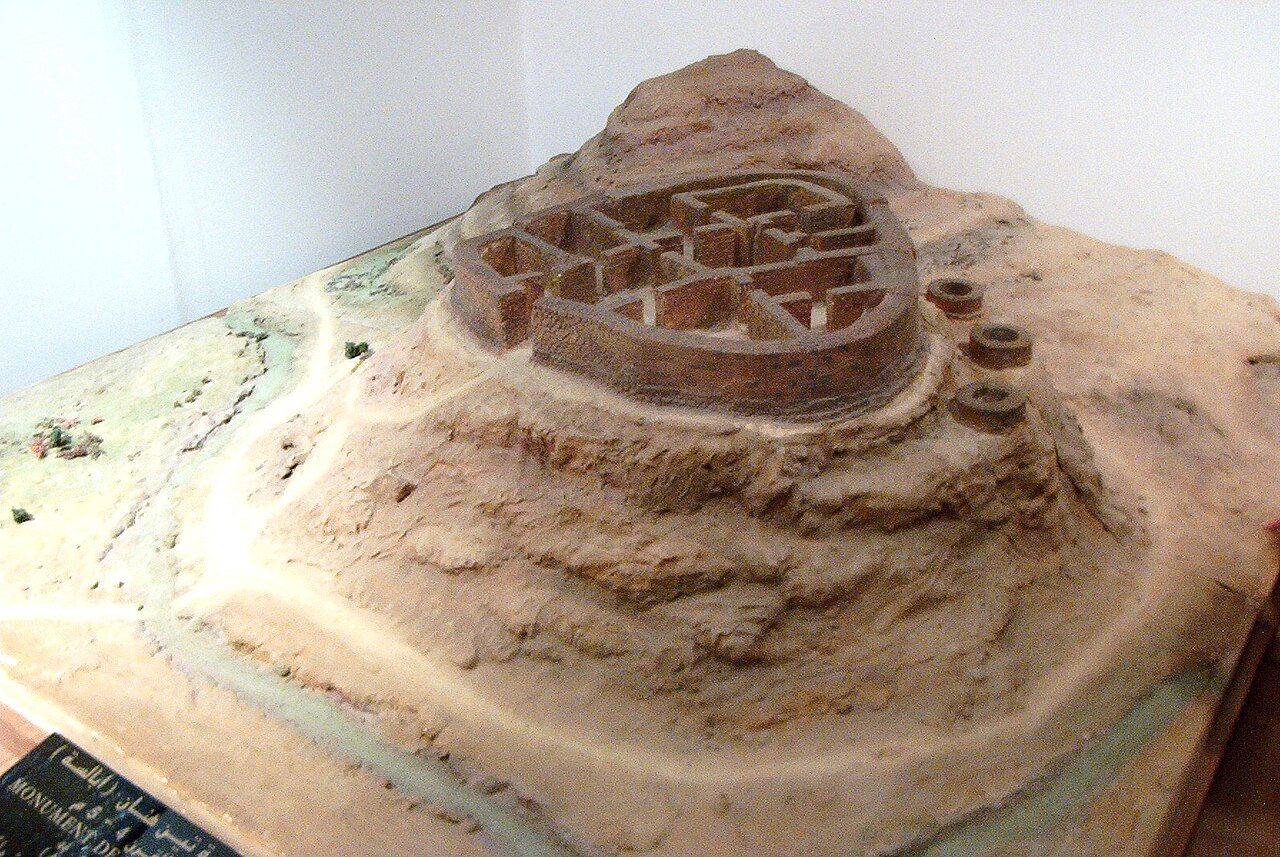
The museum preserves the skeleton attributed to Tin Hinan, along with a rich collection of objects associated with her burial, including gold and silver jewellery. These items come from investigations of her tomb in Abalessa, in the Hoggar.
This collection is among the most remarkable displays to discover during a visit to the museum.
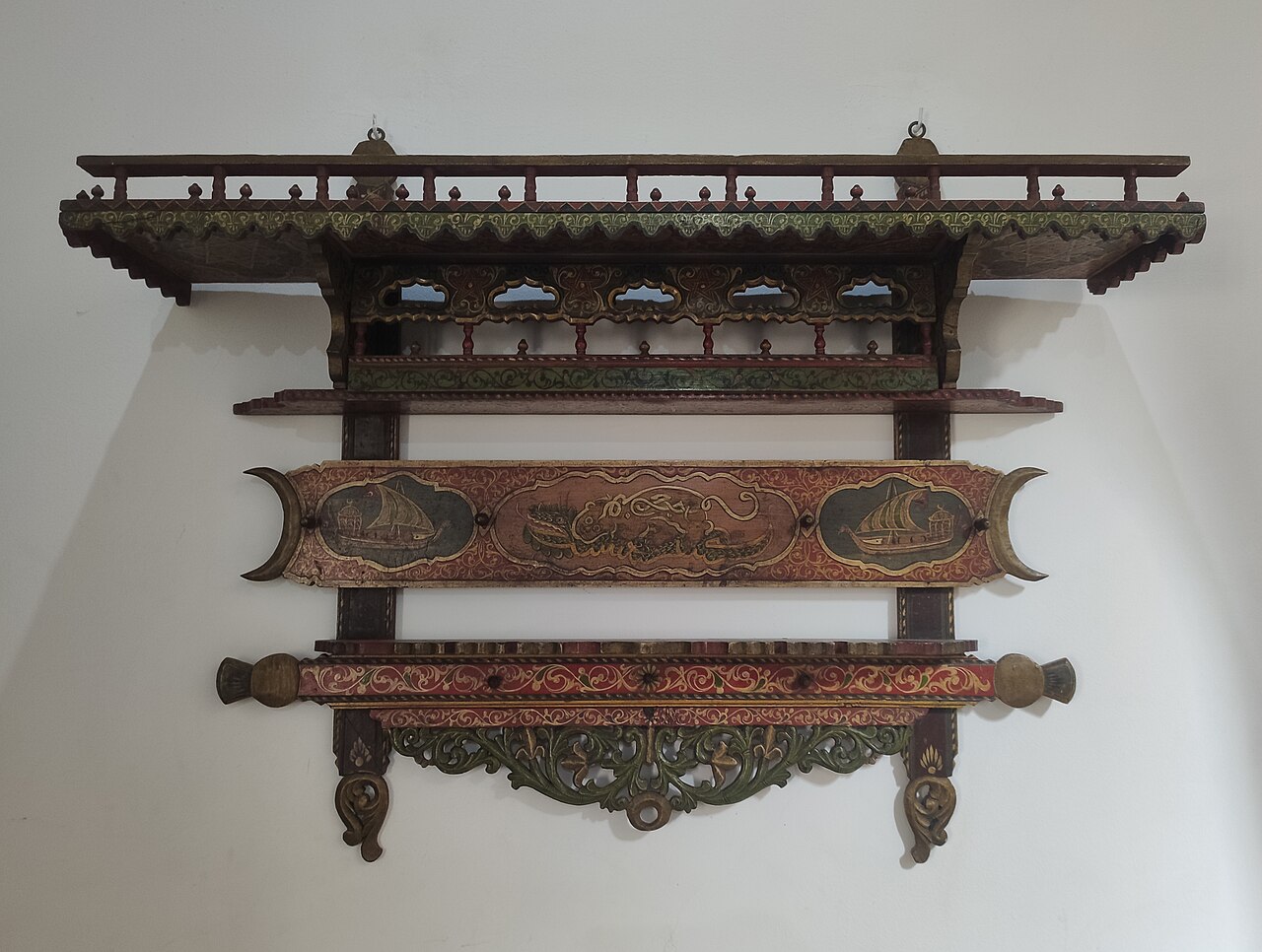
The Bardo also holds an extensive Algerian ethnographic collection.
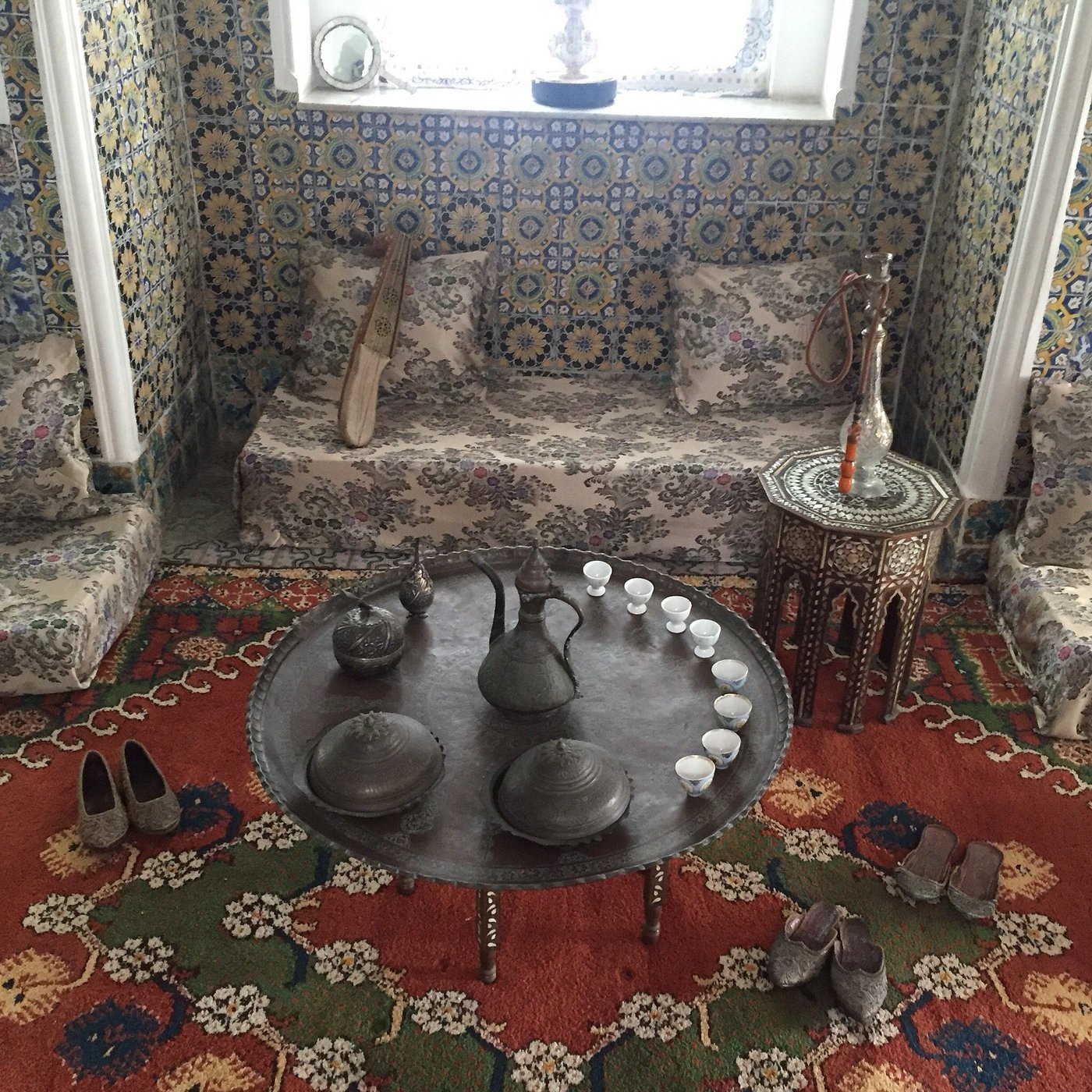
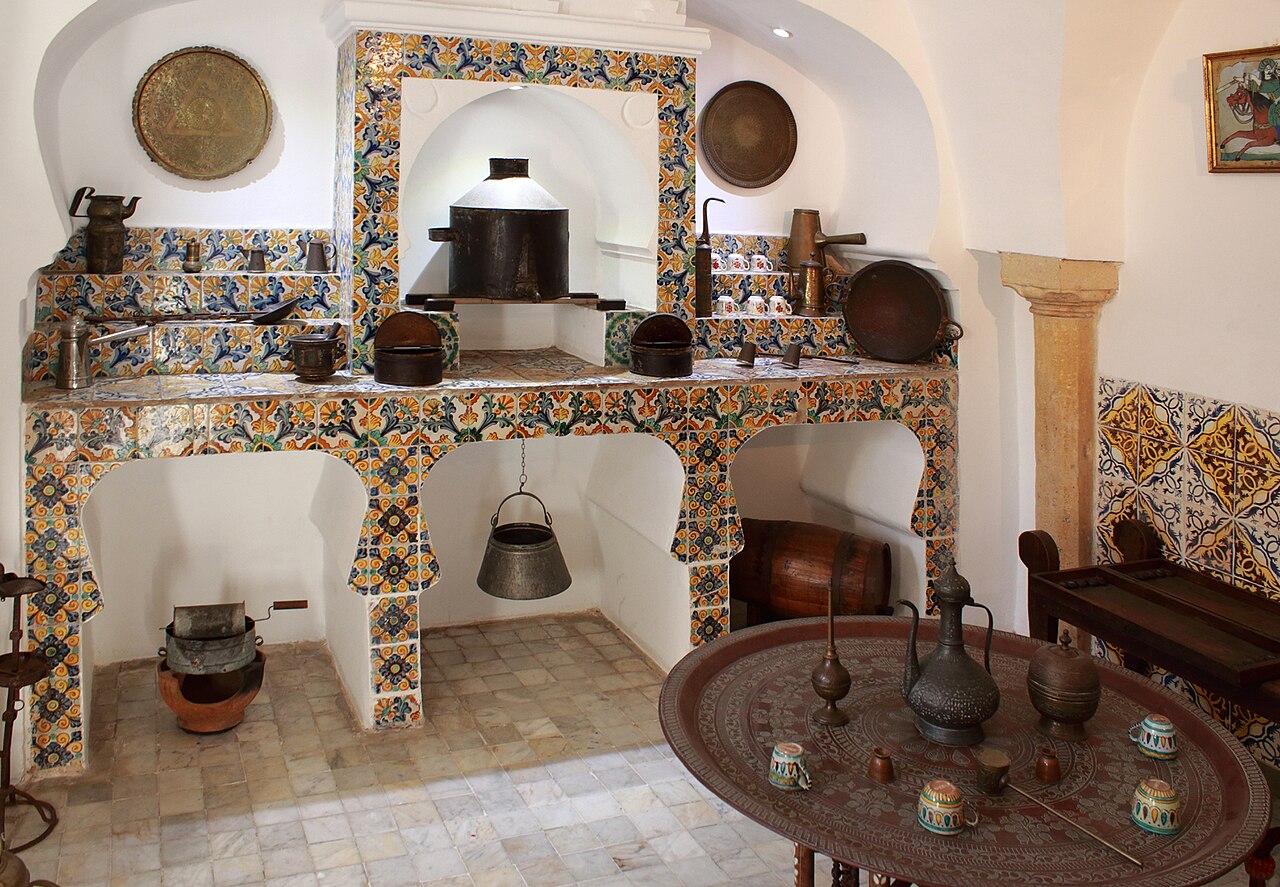
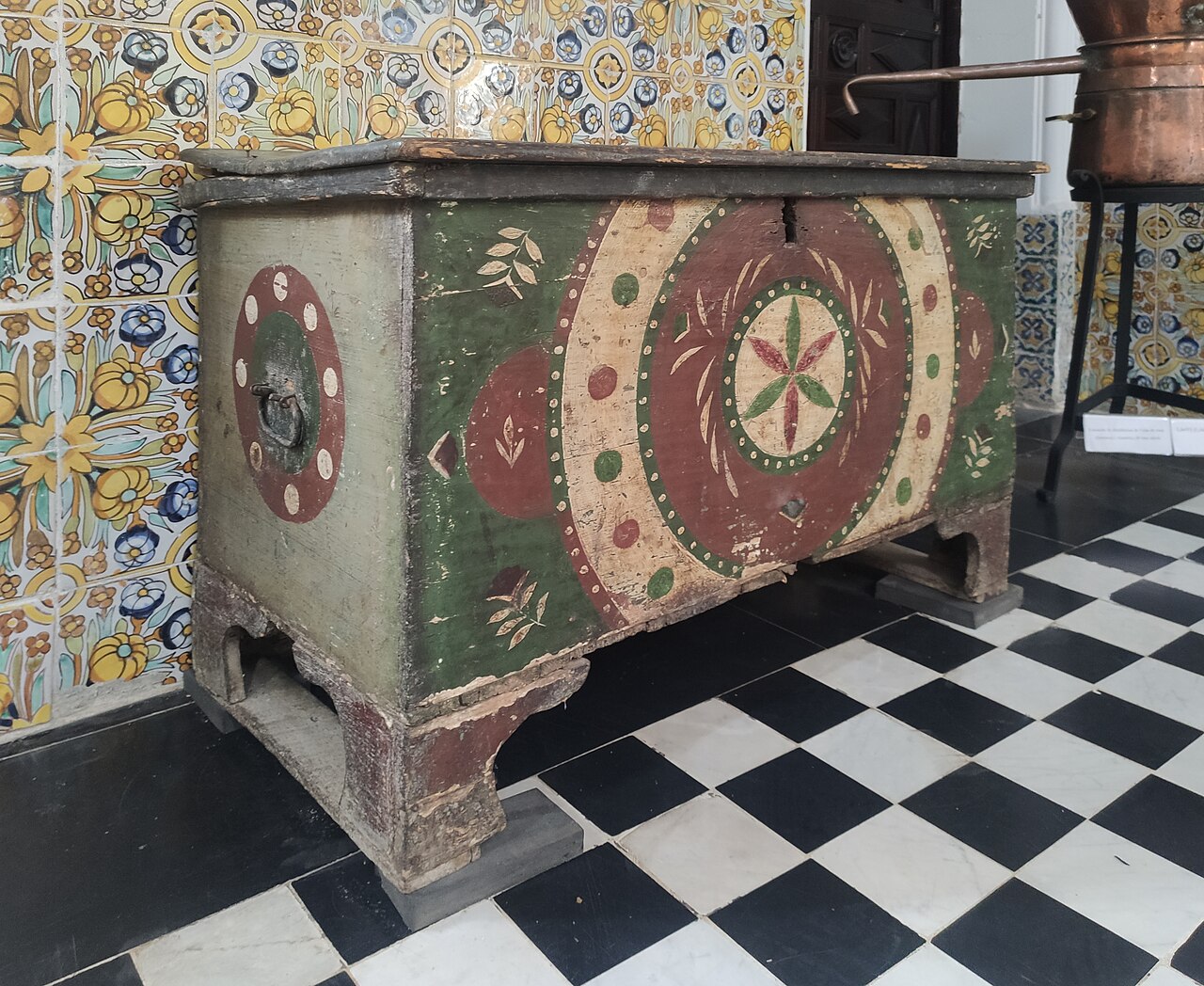
Visitors can discover traditional costumes, silver jewellery, musical instruments, weapons, harnesses, pottery, copper and brassware, wooden objects and various types of textiles from several regions of Algeria.
These collections reflect the diversity of traditions, craft techniques and ways of life that characterise the country’s different regions.
The Algerian Sahara also features prominently in the museum’s collections.
Jewellery, traditional clothing, everyday objects and displays relating to Saharan communities offer insight into the cultural richness of southern Algeria, particularly Tuareg heritage.
For travellers planning to explore the Sahara, the Bardo Museum provides an excellent introduction to some of the cultures and traditions they may later encounter in the south of the country.
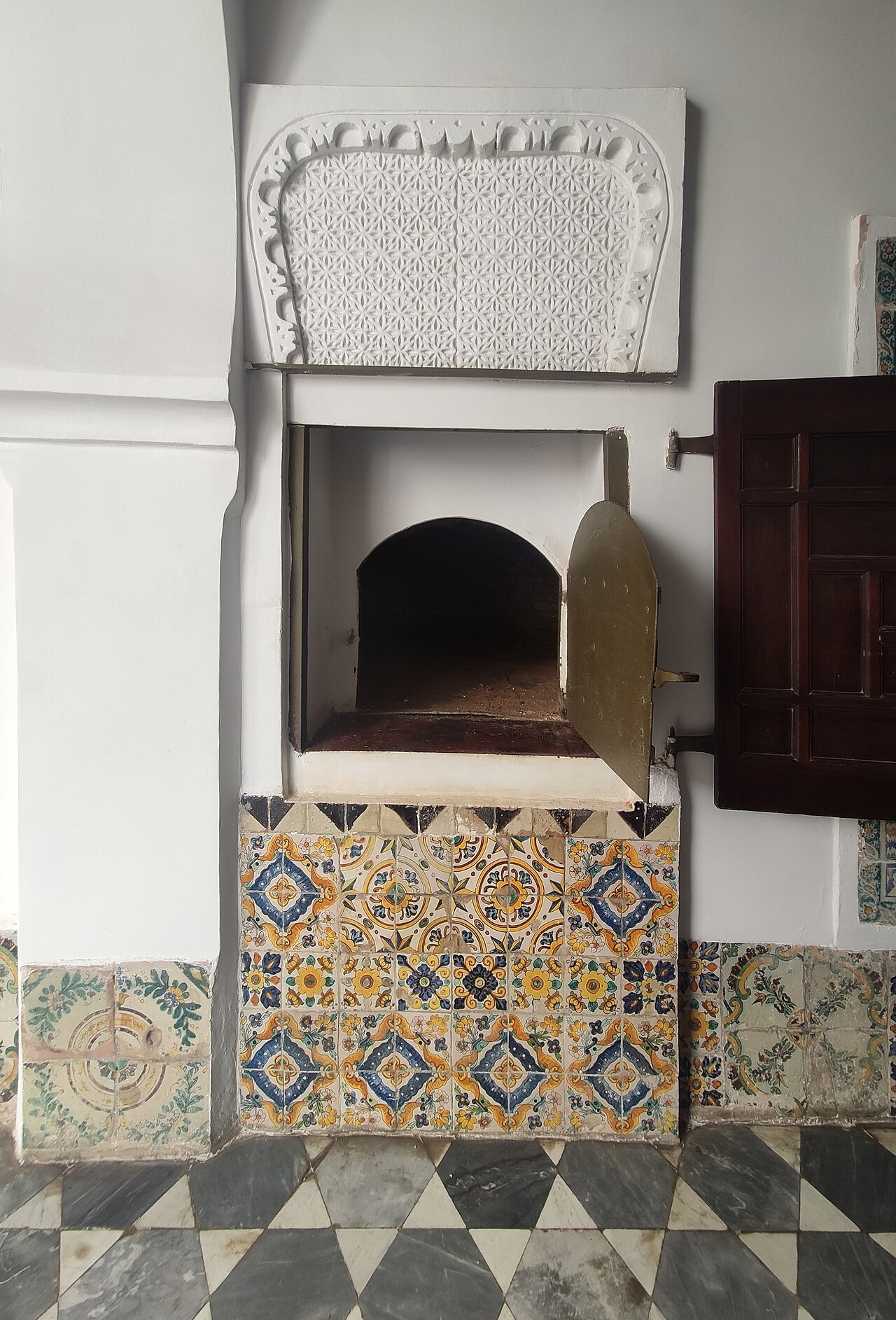
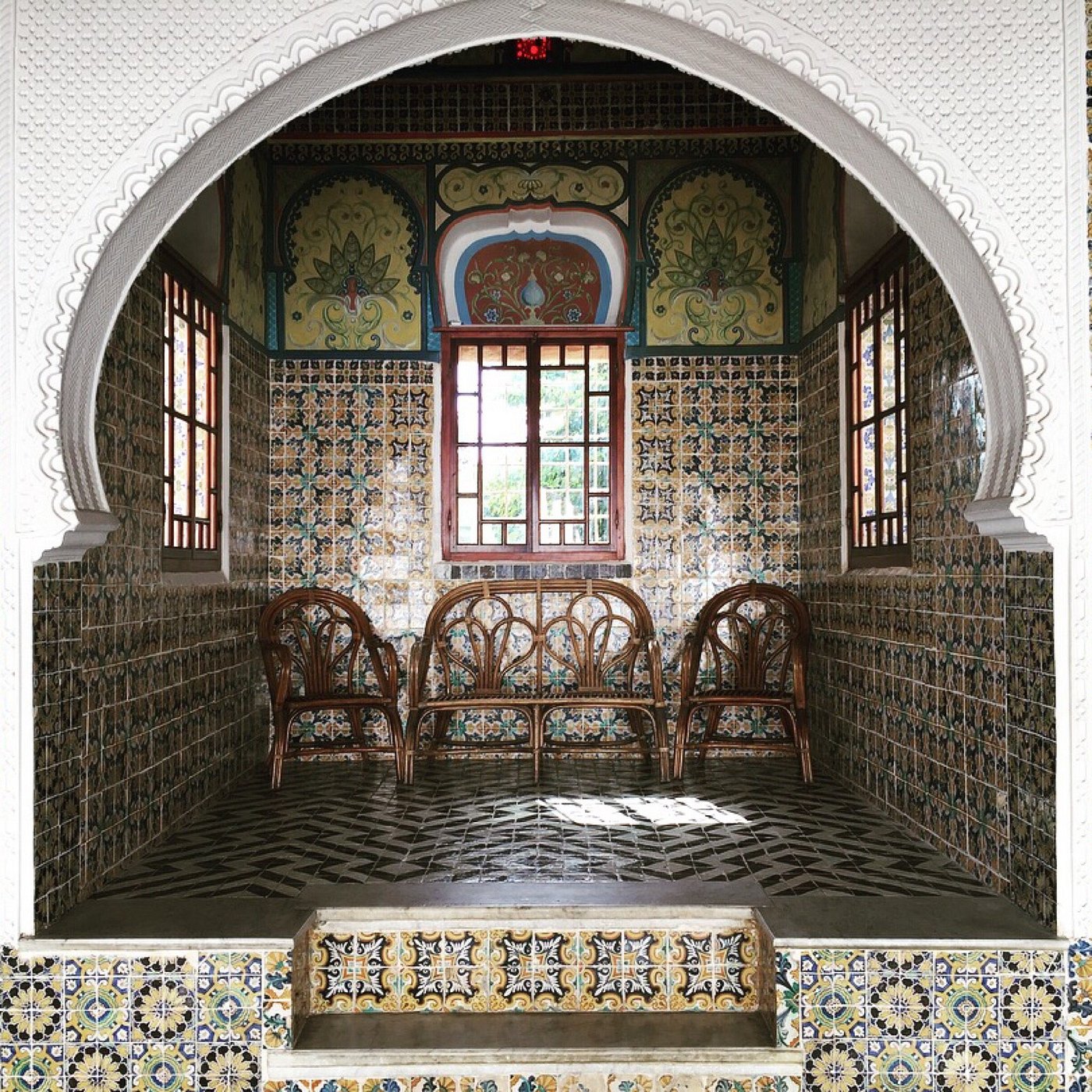
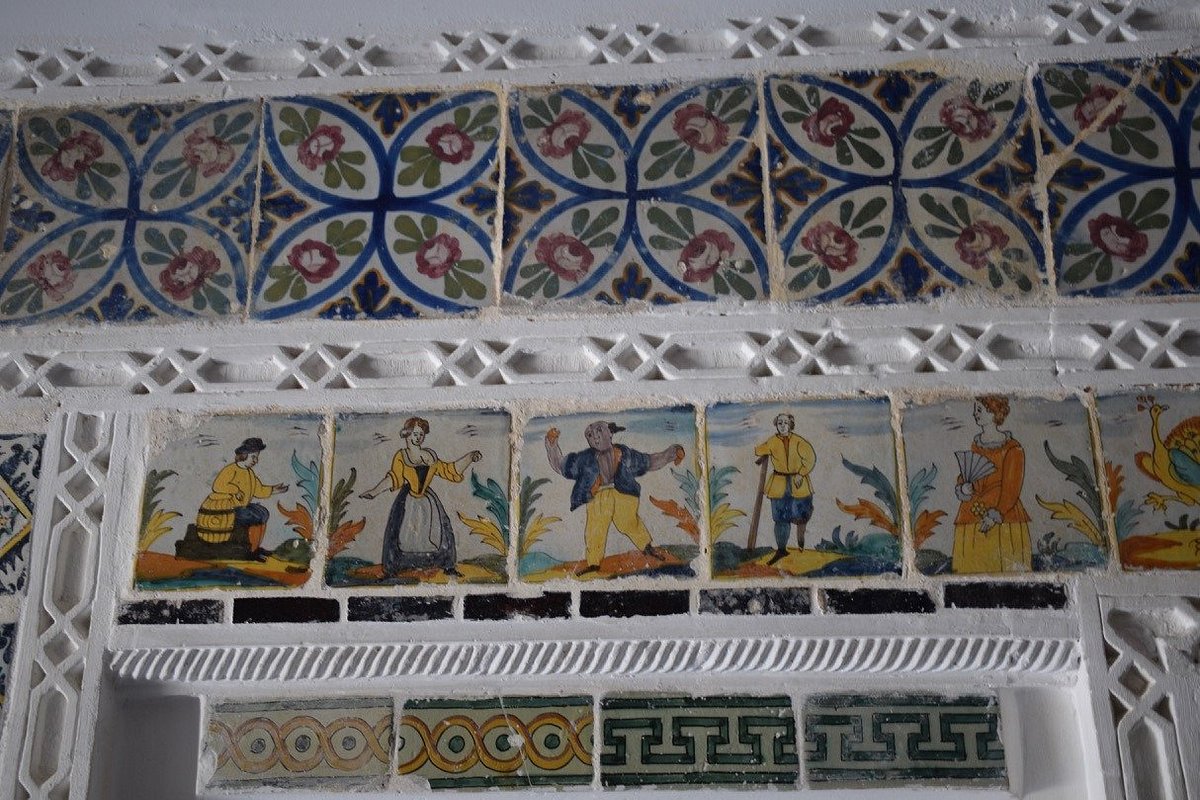
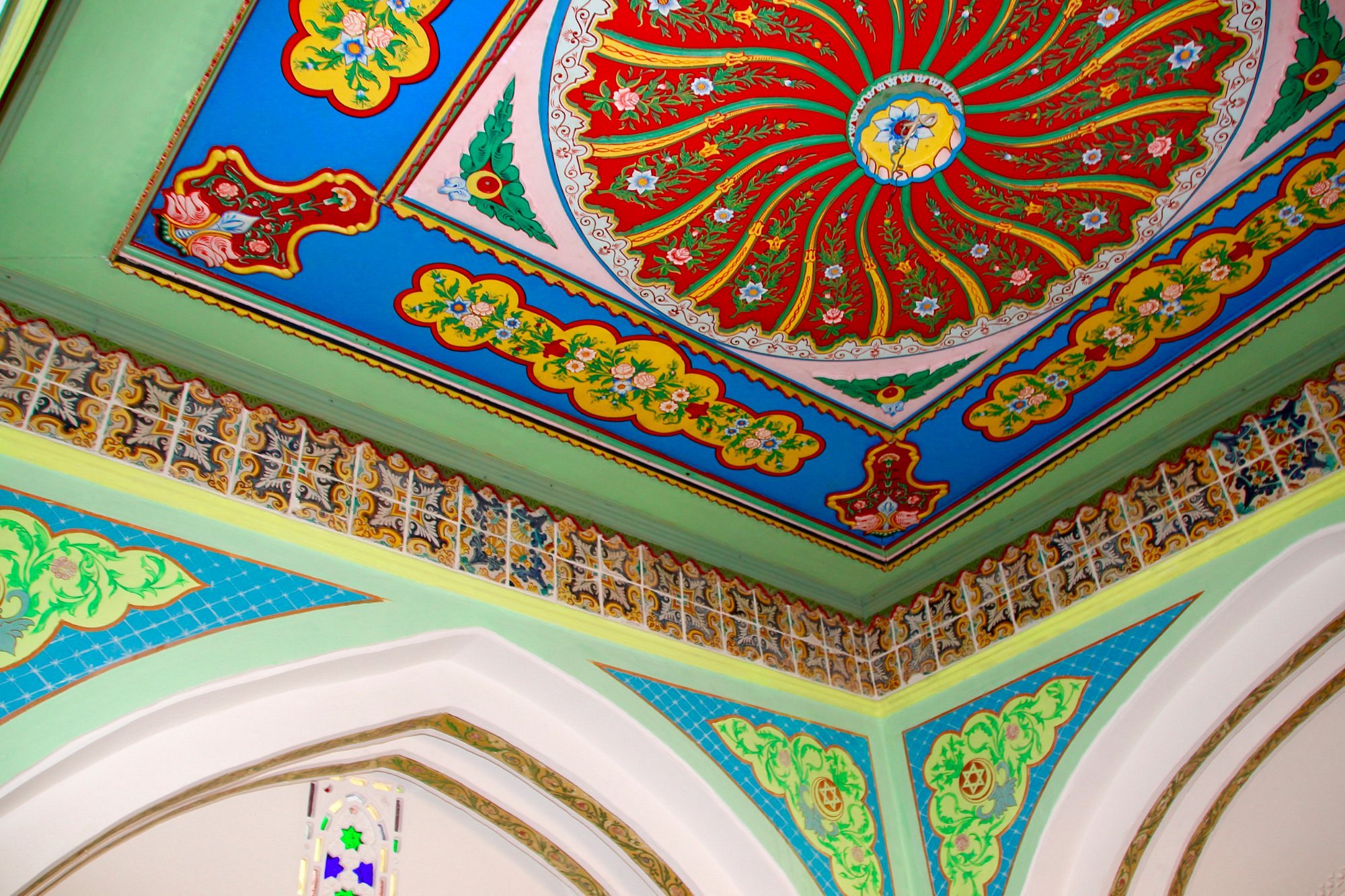
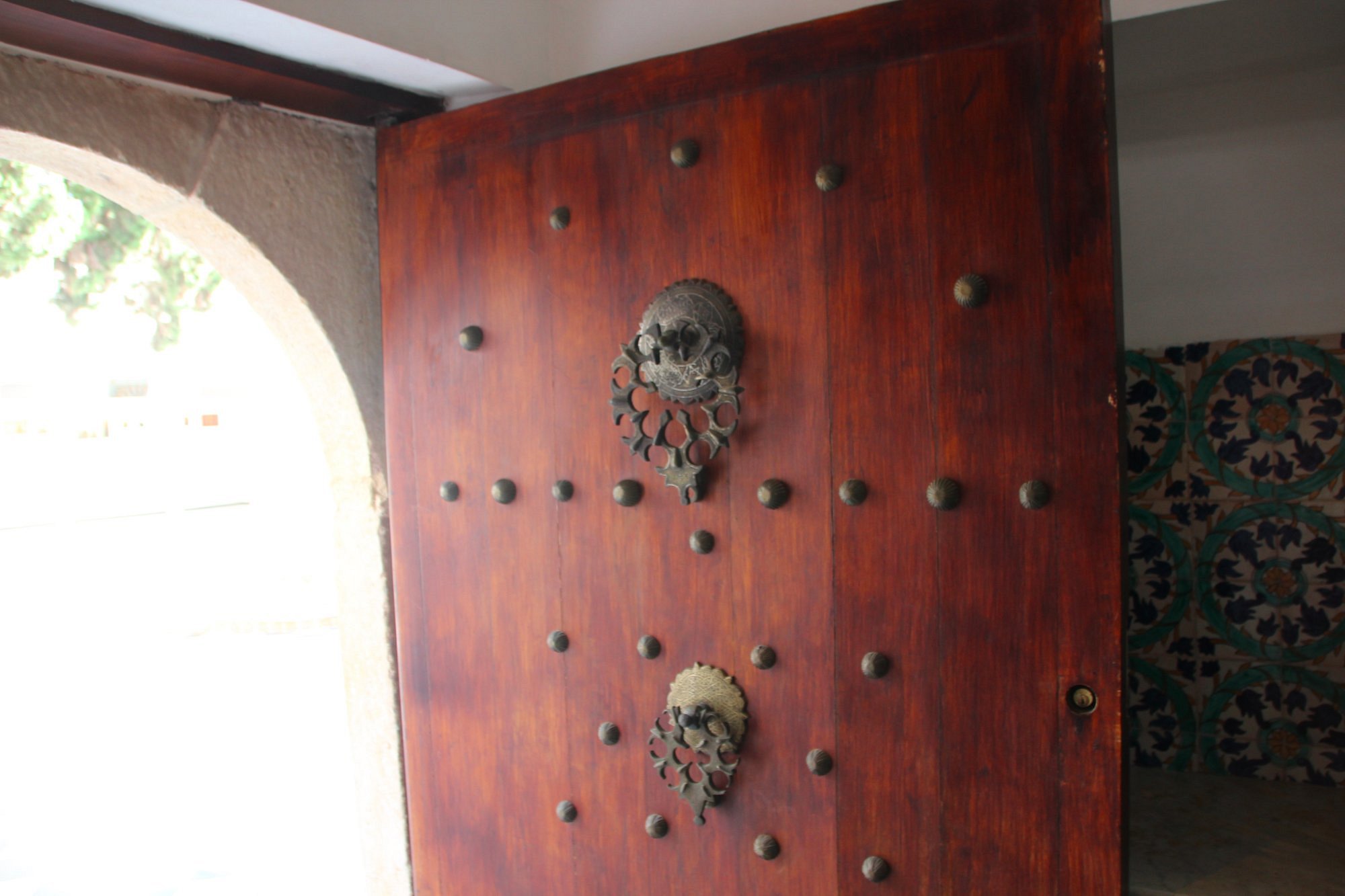
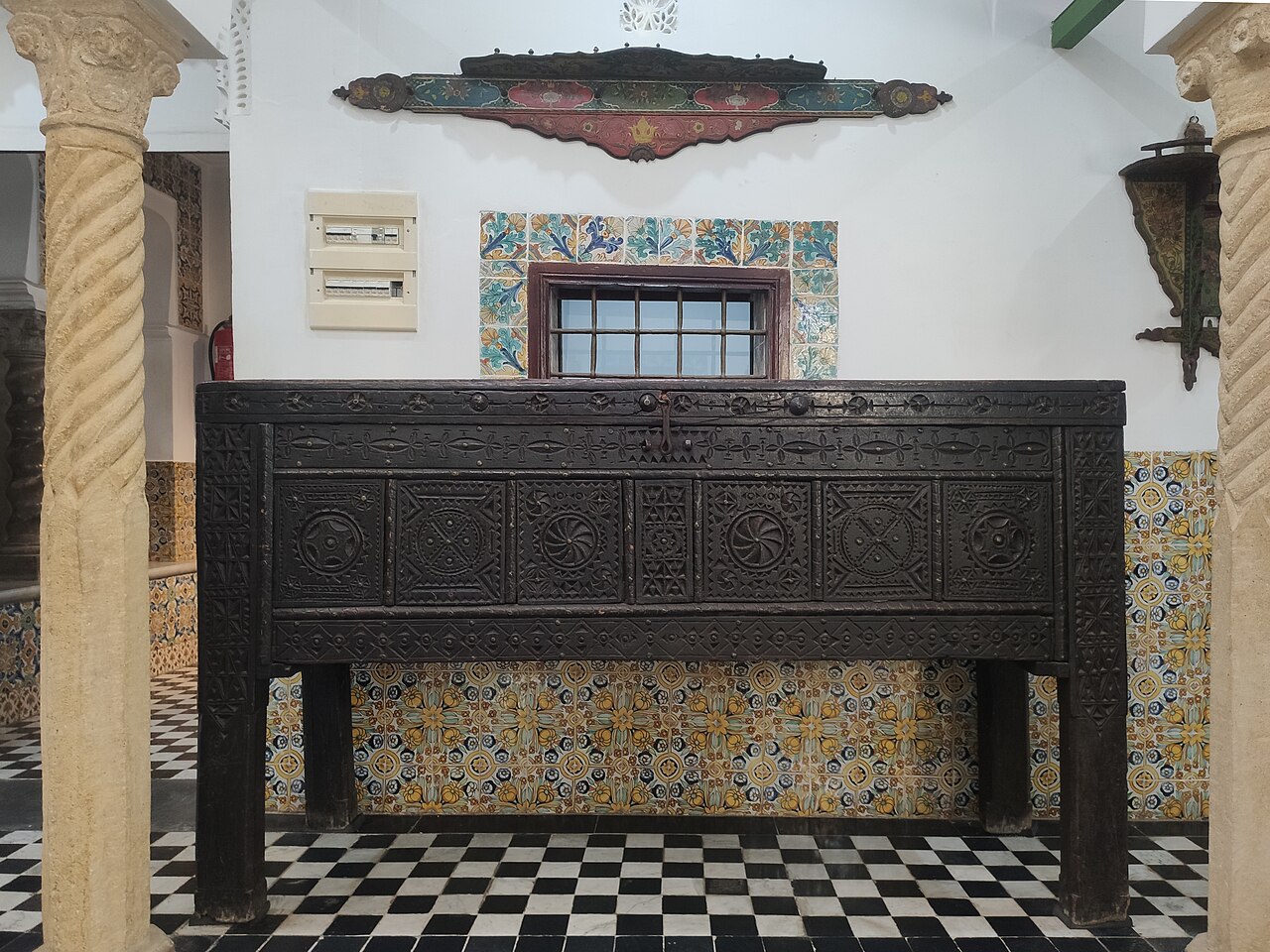
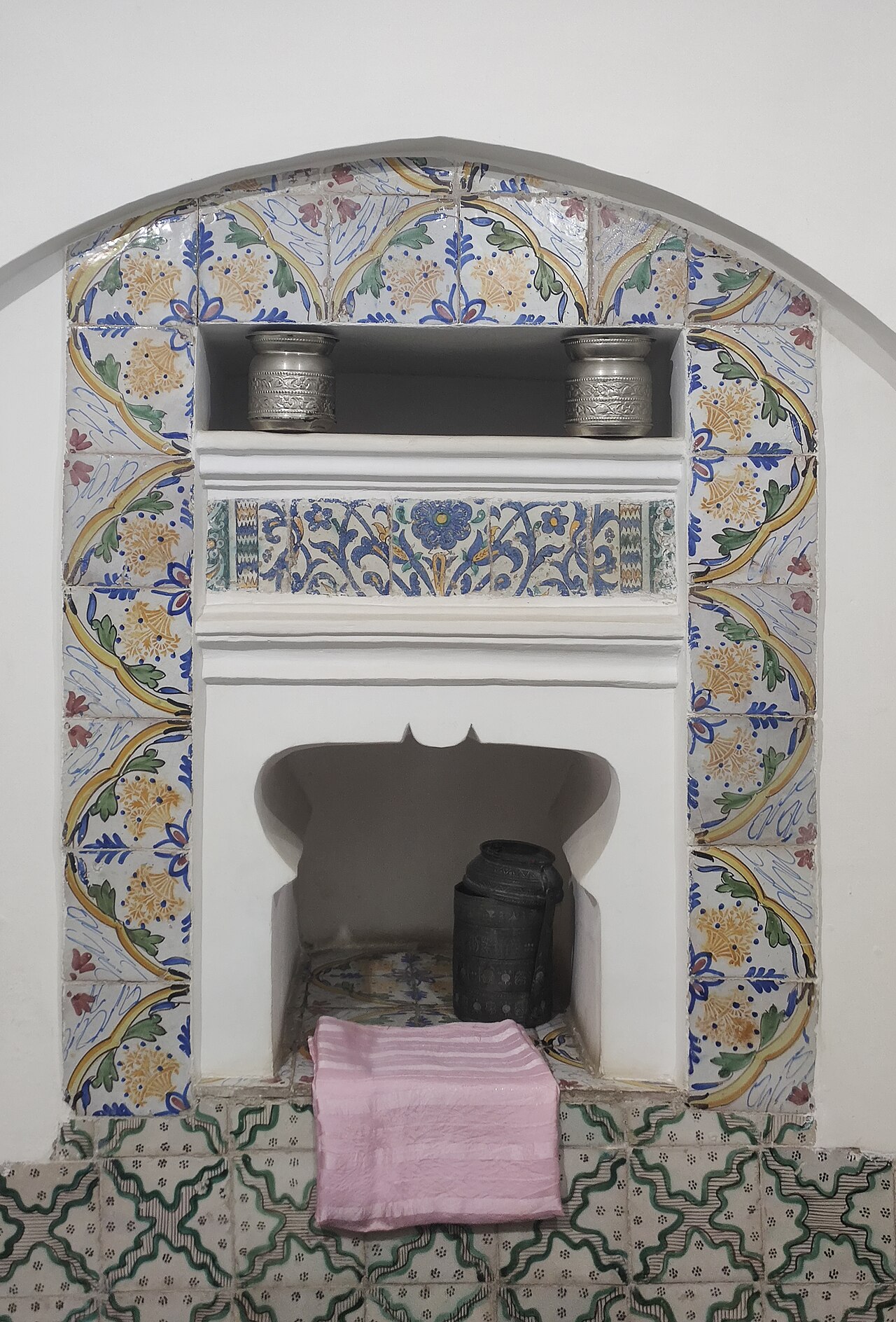
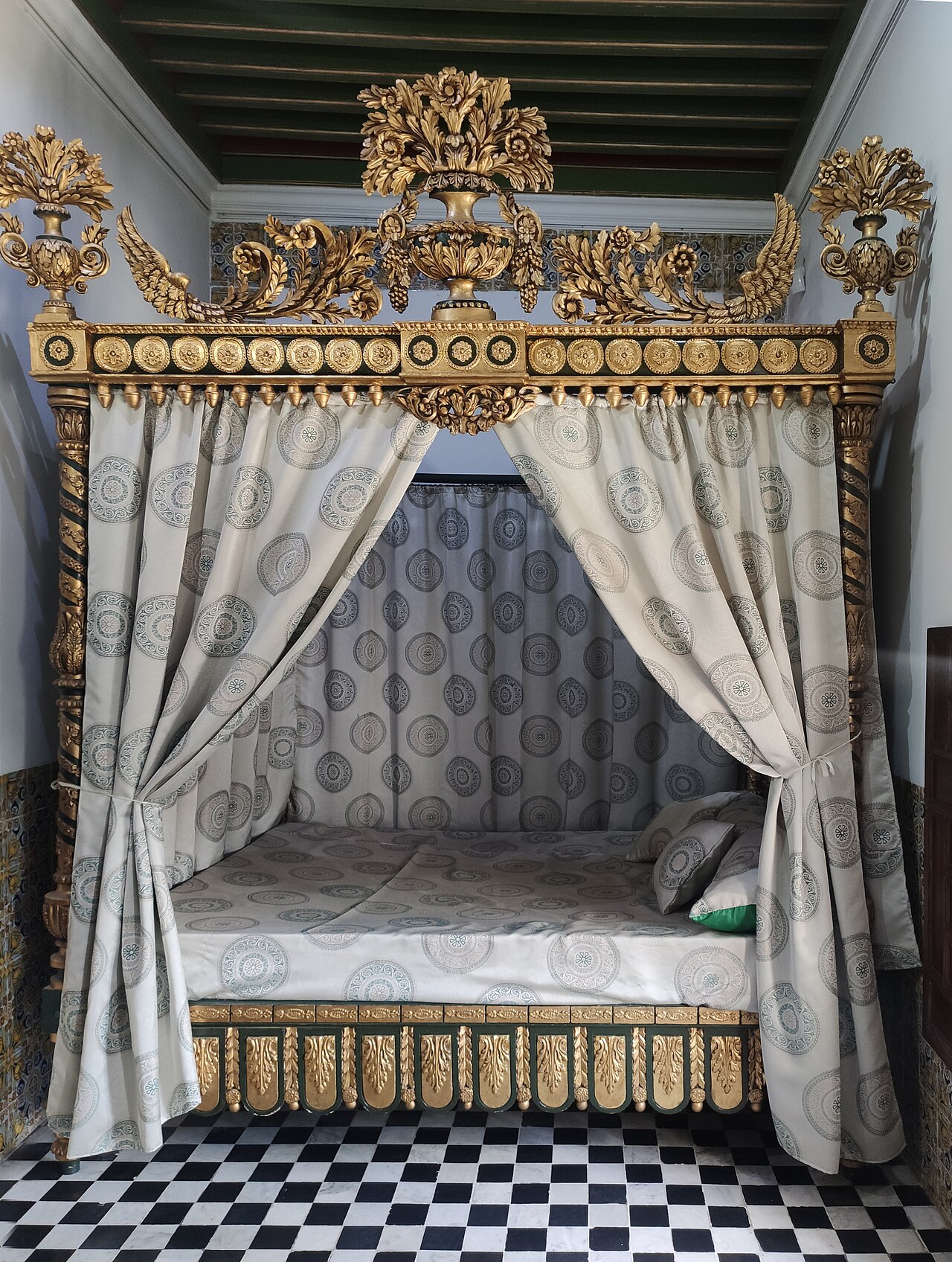
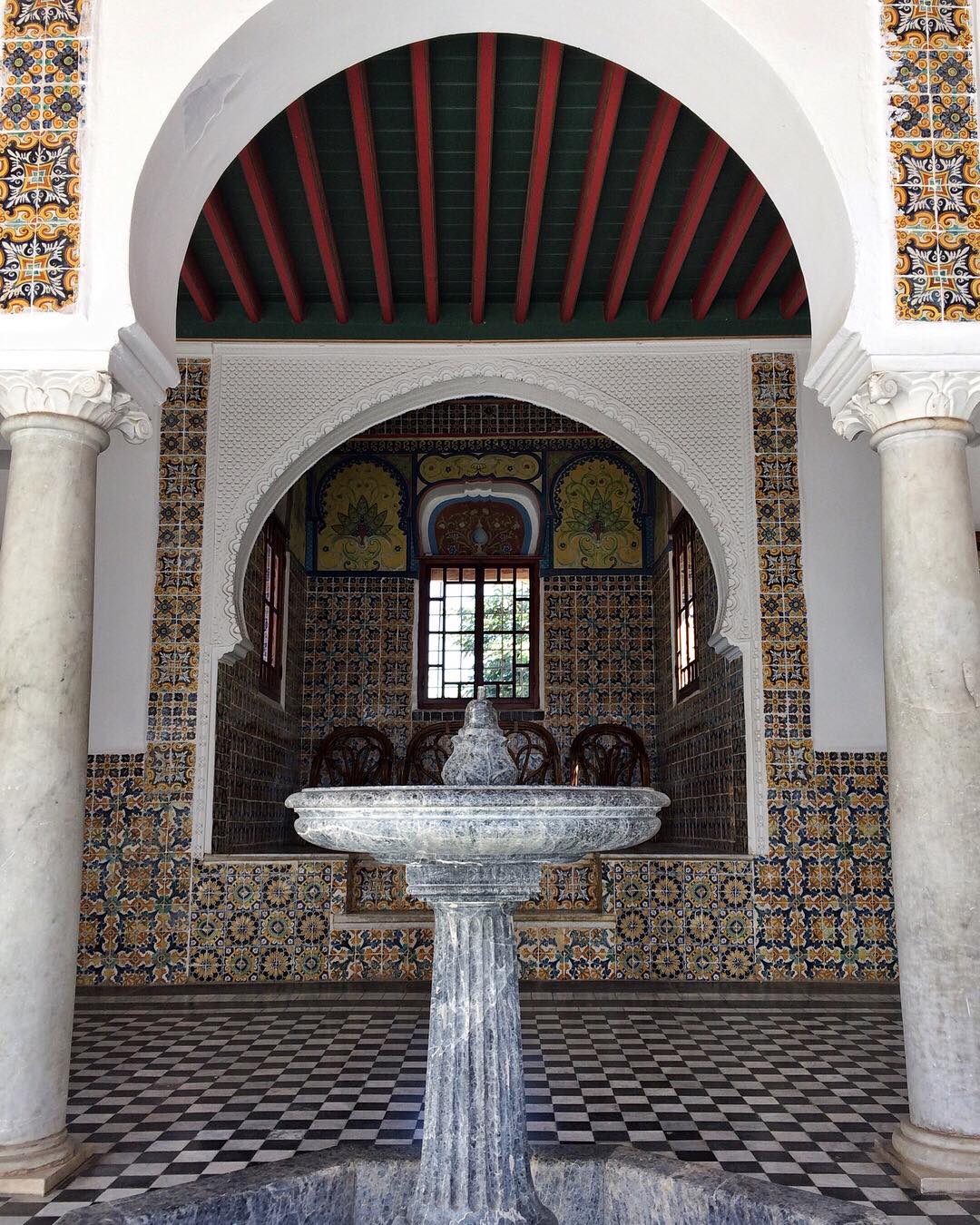
Another major attraction of a visit to the Bardo is the building itself.
The museum occupies a former residence surrounded by gardens, believed to date back to the 18th century. Throughout its history, the residence has had several owners and undergone various transformations before becoming a museum of prehistory and ethnography.
Its spaces, decorative features, frescoes and architectural details are an integral part of the visitor experience.
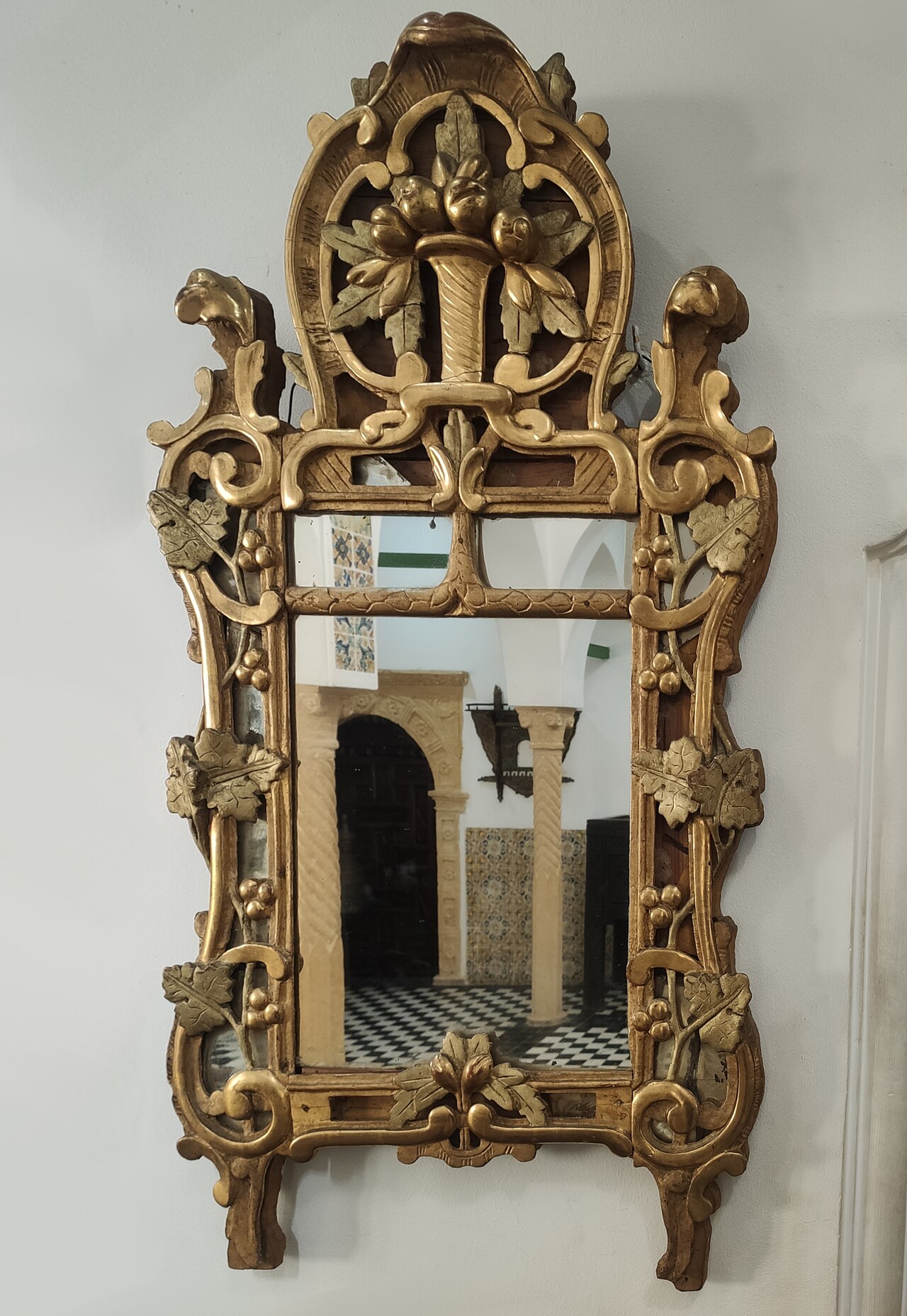
While Algerian collections take centre stage, the museum also preserves ethnographic collections from other regions of the world.
Objects from the Maghreb, Mauritania, Libya, the Middle East, Europe, Asia and sub-Saharan Africa broaden the visitor experience and place Algerian traditions in the context of other cultures.
The Bardo is therefore both a museum dedicated to Algeria’s ancient history and a place to discover cultural diversity.
For travellers interested in history, archaeology, anthropology and Algerian traditions, the Bardo National Public Museum is a particularly rewarding place to visit during a stay in Algiers.
Its rich collections take visitors on a journey from the earliest human occupation of the territory to the craft and cultural traditions of Algeria’s different regions.
It perfectly complements a visit to the capital’s other major museums and historic sites.
News, events, places, good deals, and travel inspirations.
News, events, places, good deals, and travel inspirations.