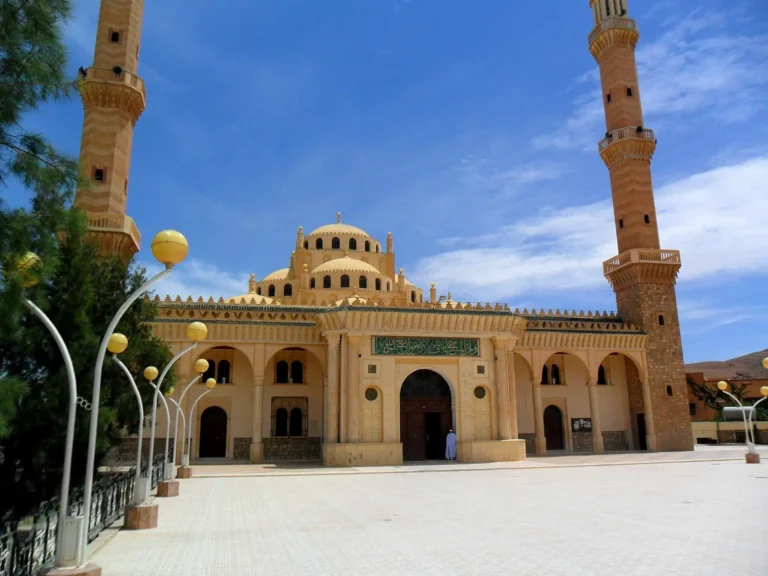




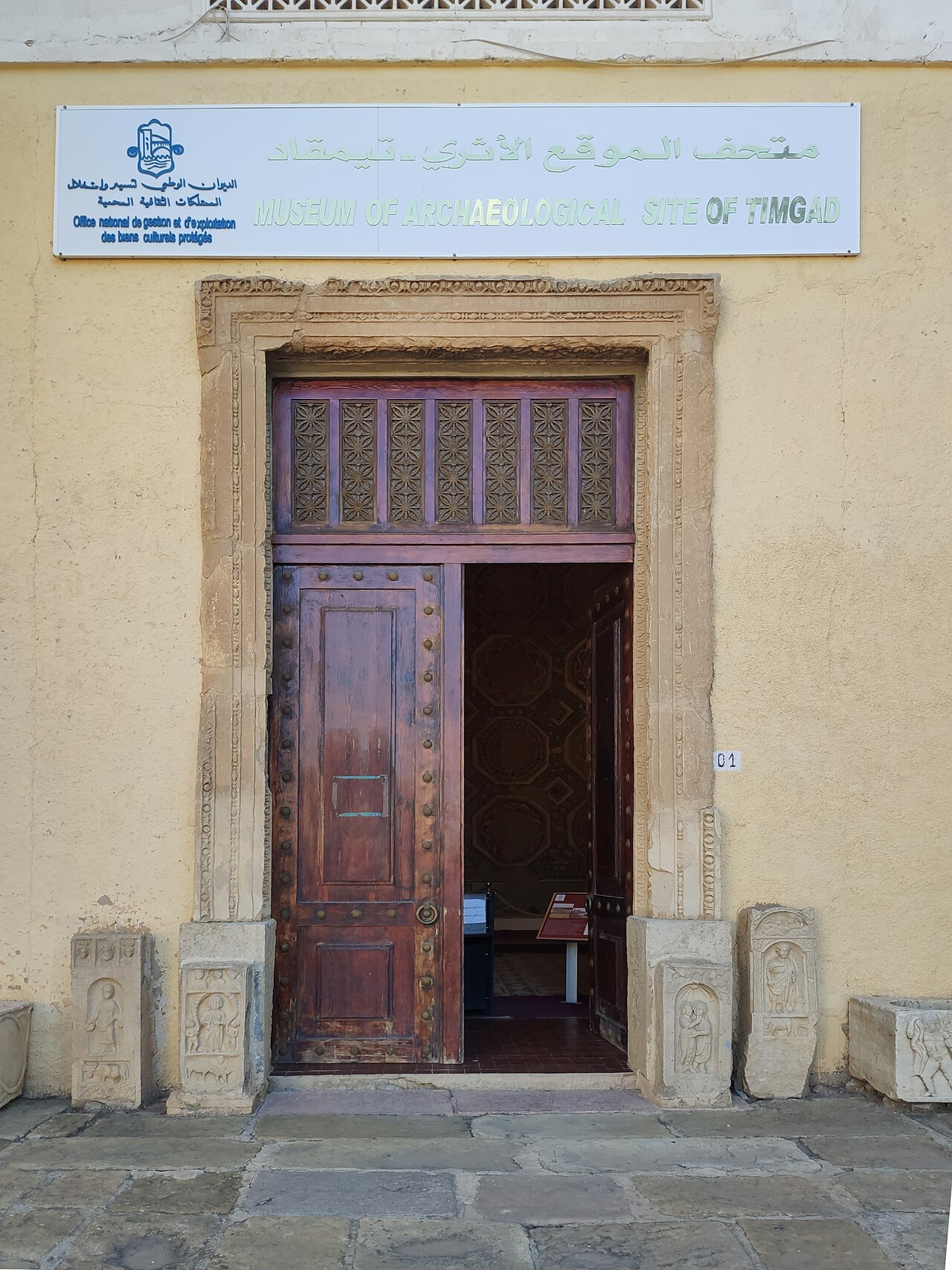
Located in the heart of the Timgad archaeological site, in the province of Batna, the Timgad Site Museum is an essential stop for understanding the history of the ancient Roman city of Thamugadi, founded in AD 100 during the reign of Emperor Trajan.
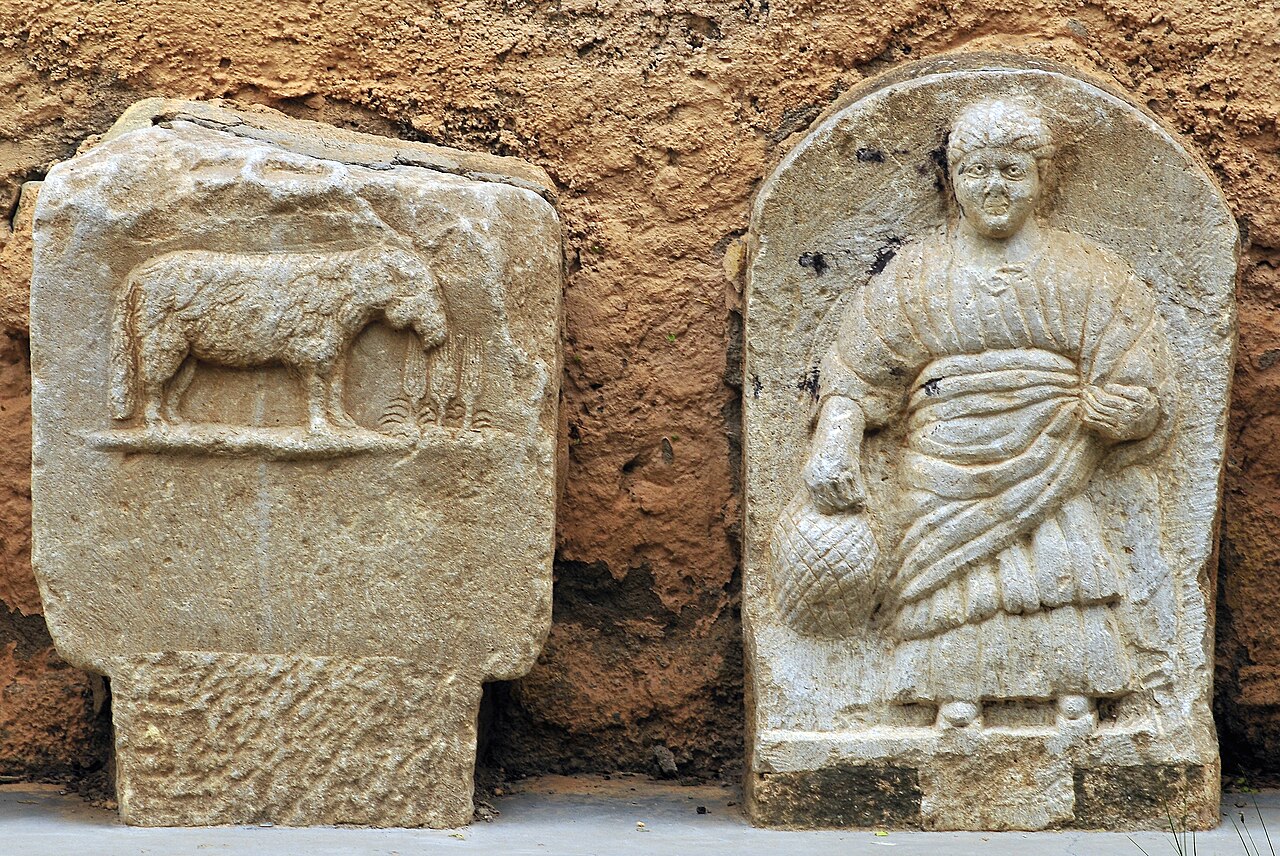
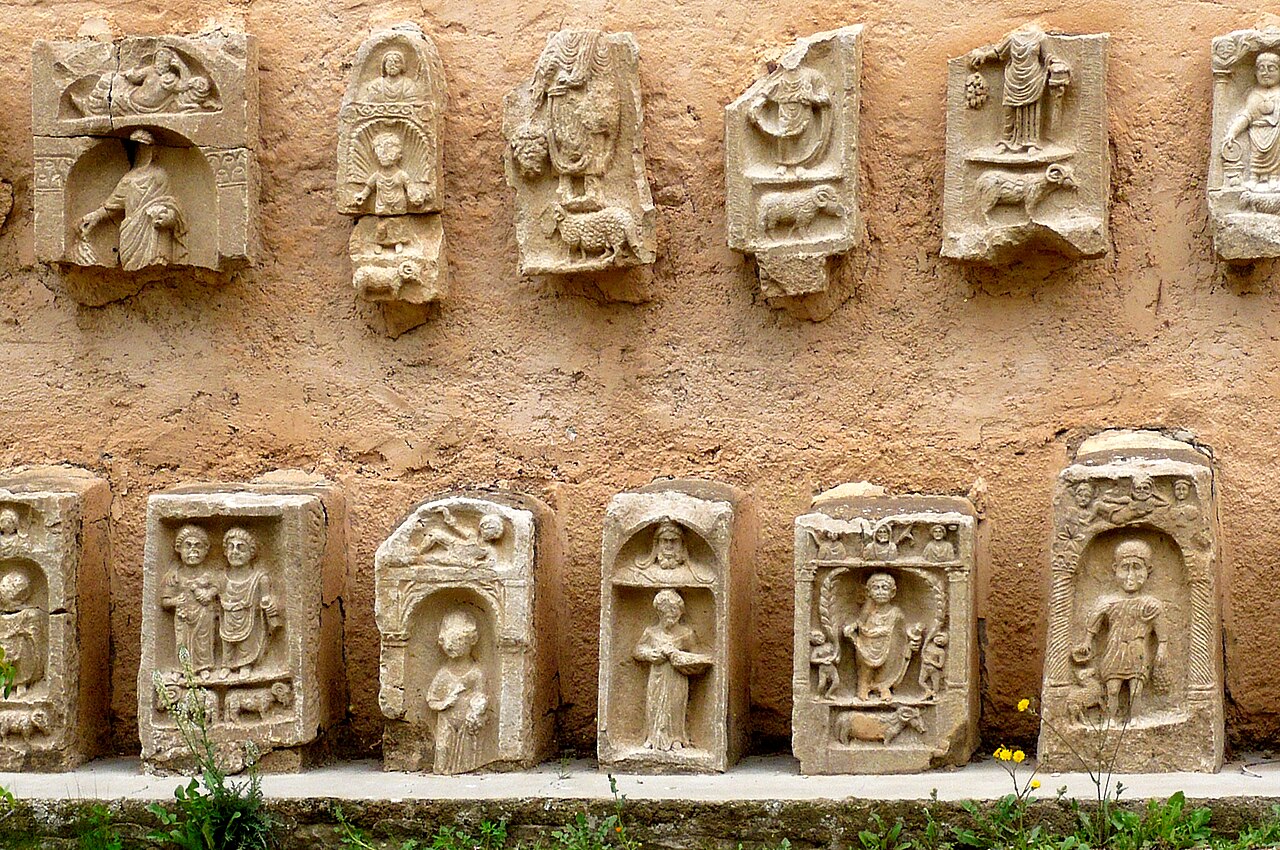
The museum perfectly complements an exploration of the archaeological remains, allowing visitors to see objects and artefacts unearthed during excavations at the site. It offers valuable insight into the daily life, art and culture of this important city in Roman Africa.
The Timgad Museum is inseparable from the impressive archaeological site surrounding it.
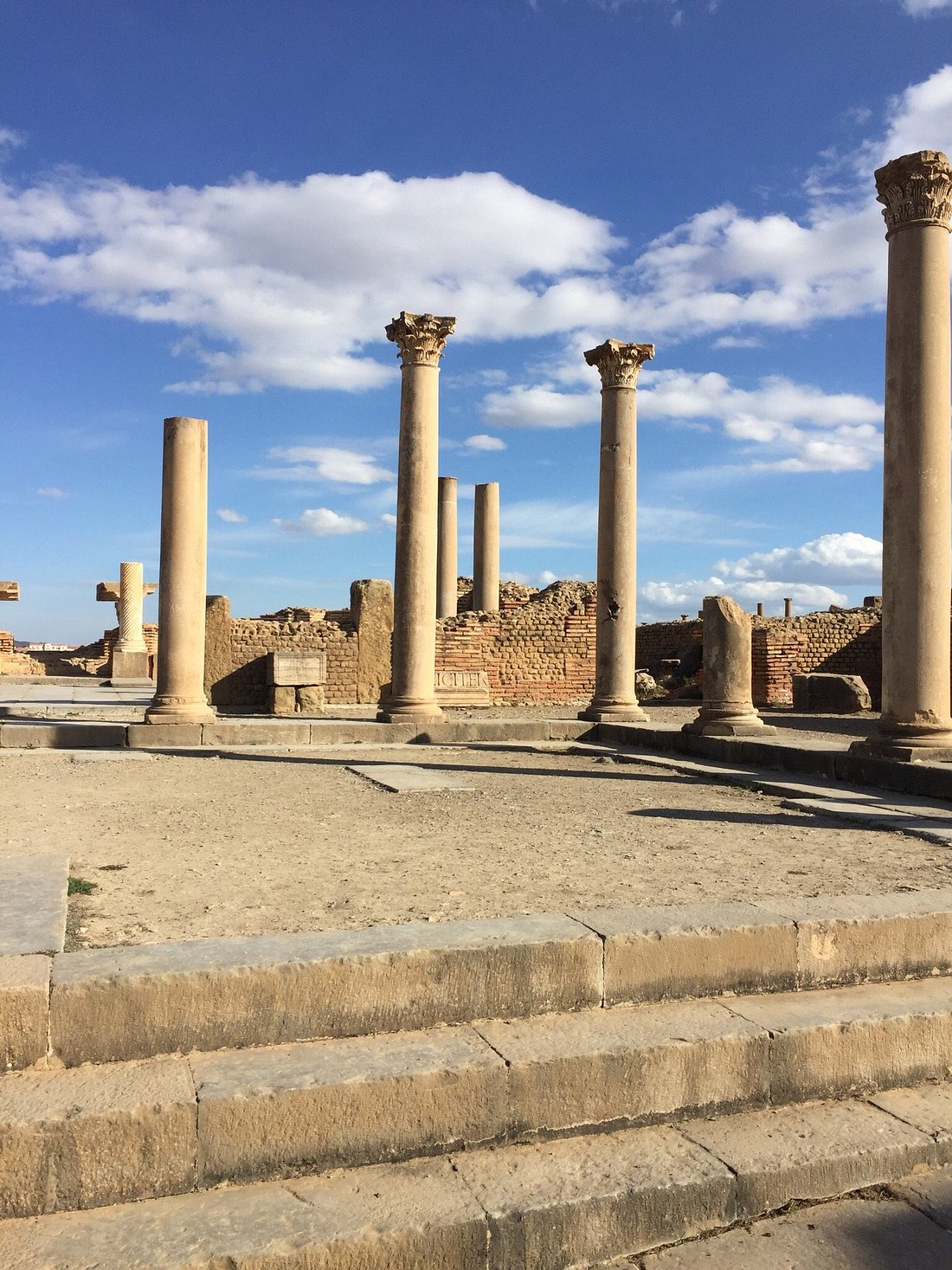
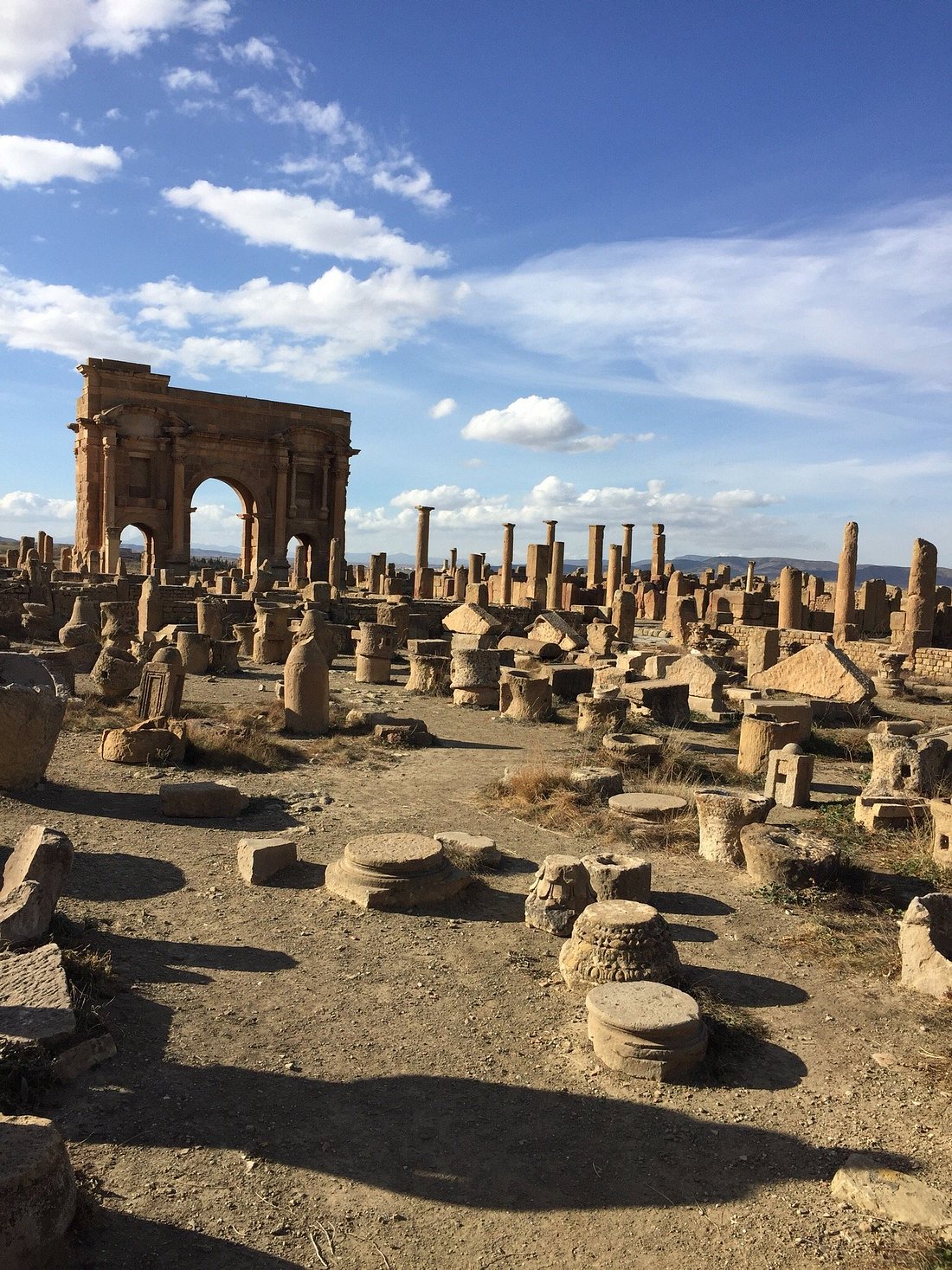
Timgad, also known by its ancient name Thamugadi, is today one of the most remarkable examples of ancient Roman urban planning in North Africa.
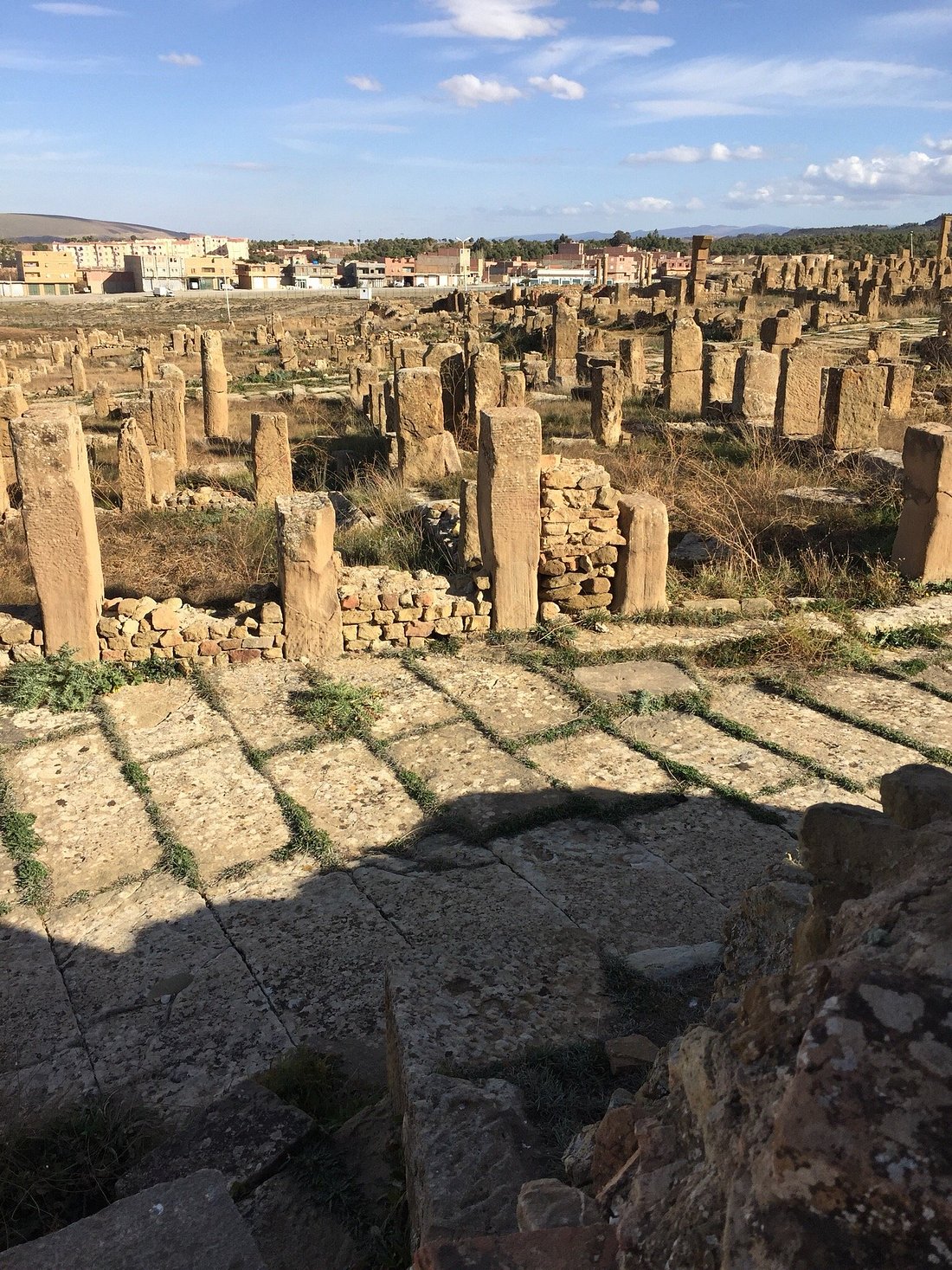
Its layout around major thoroughfares, paved streets and varied monuments still allows visitors to understand the structure of a Roman city.
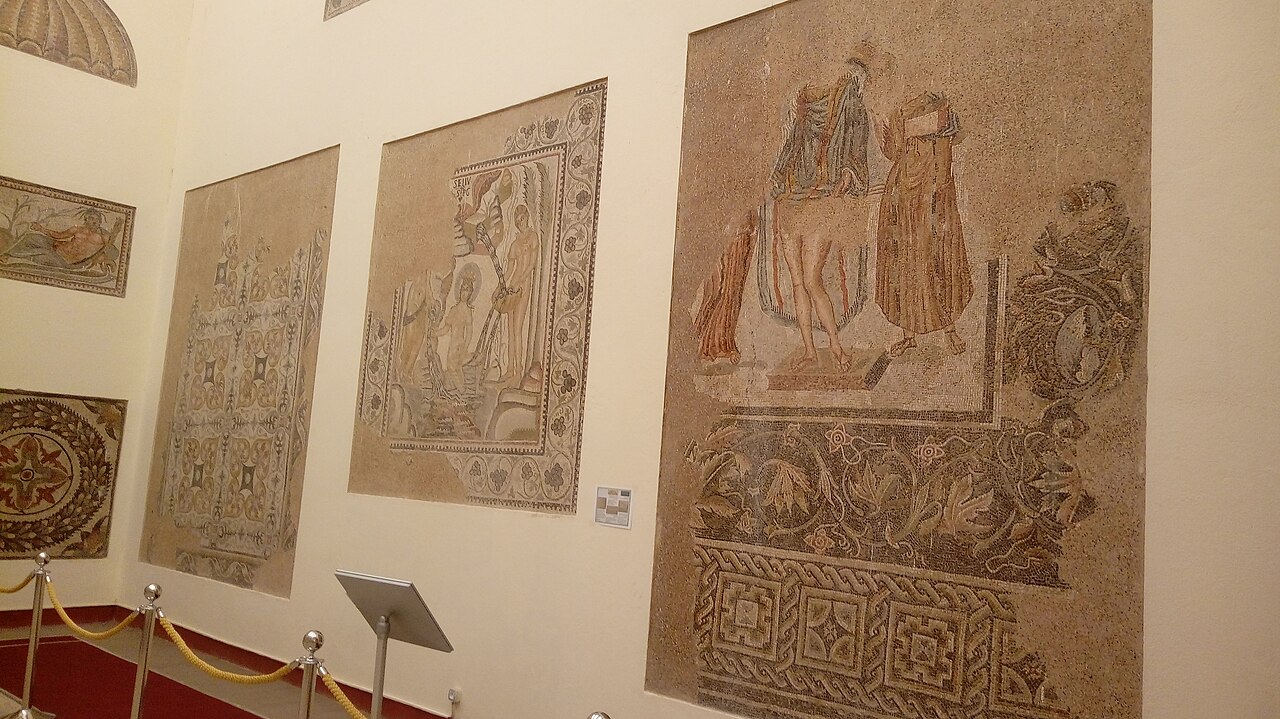
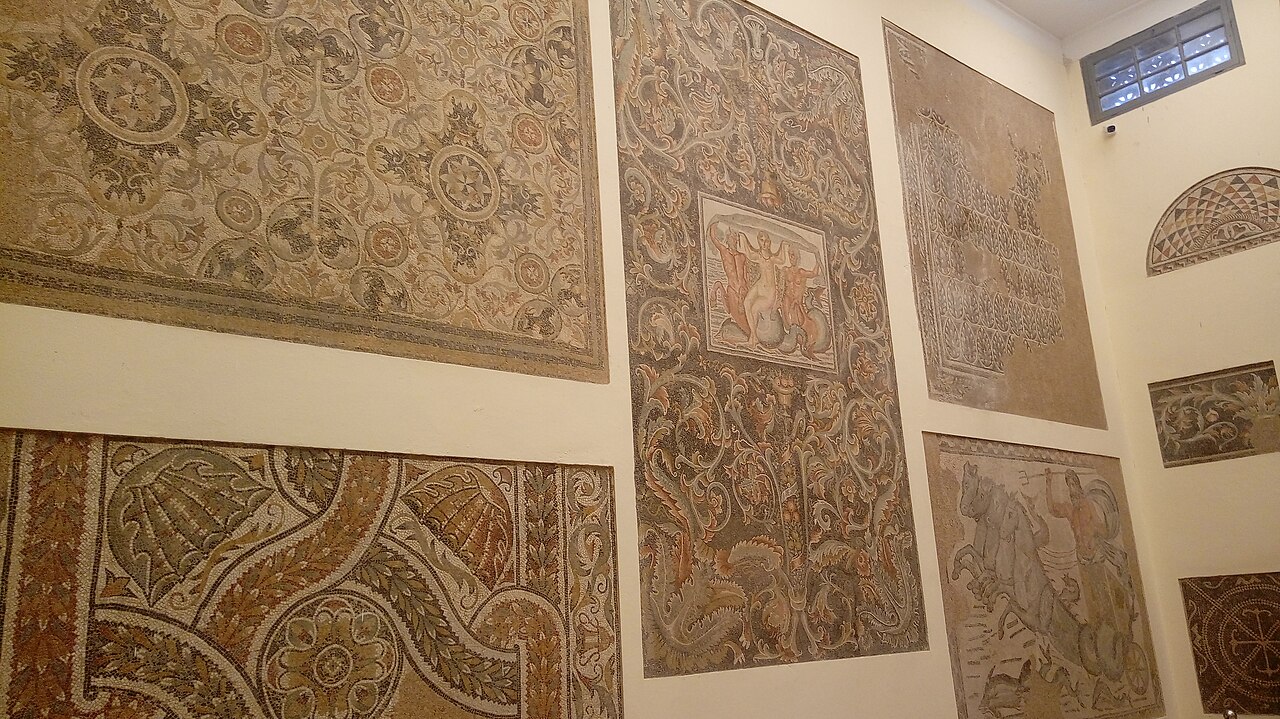
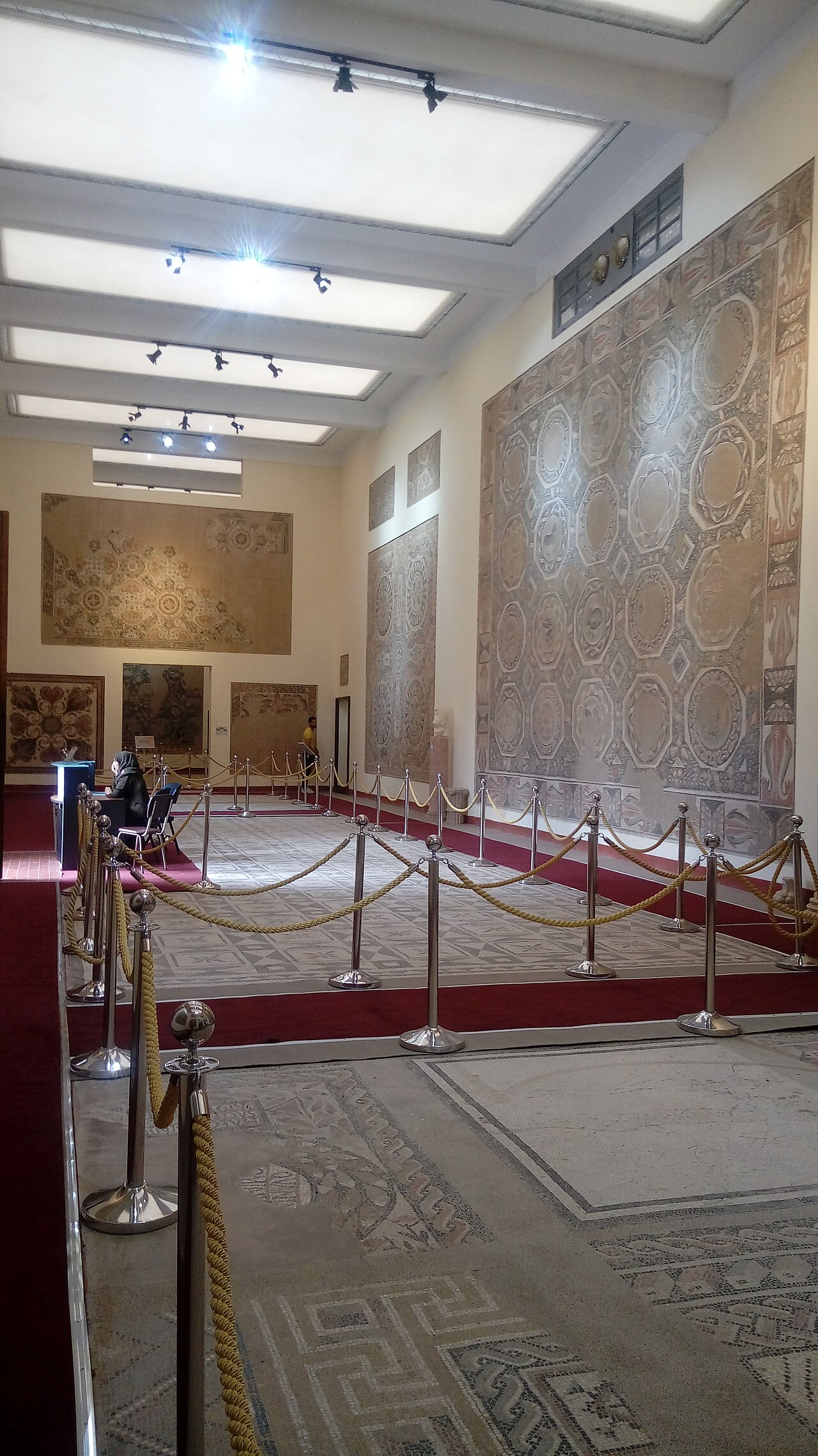
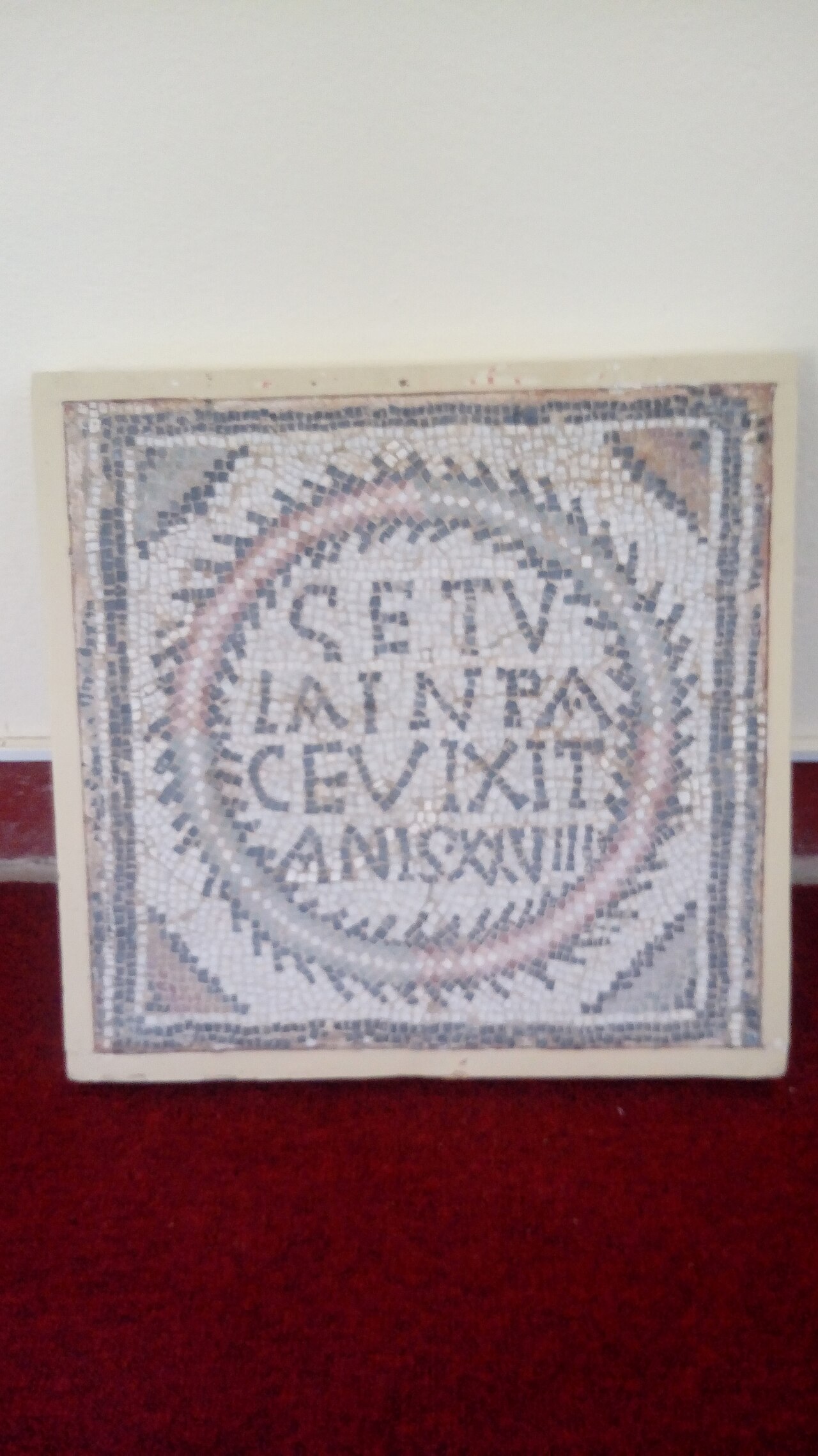
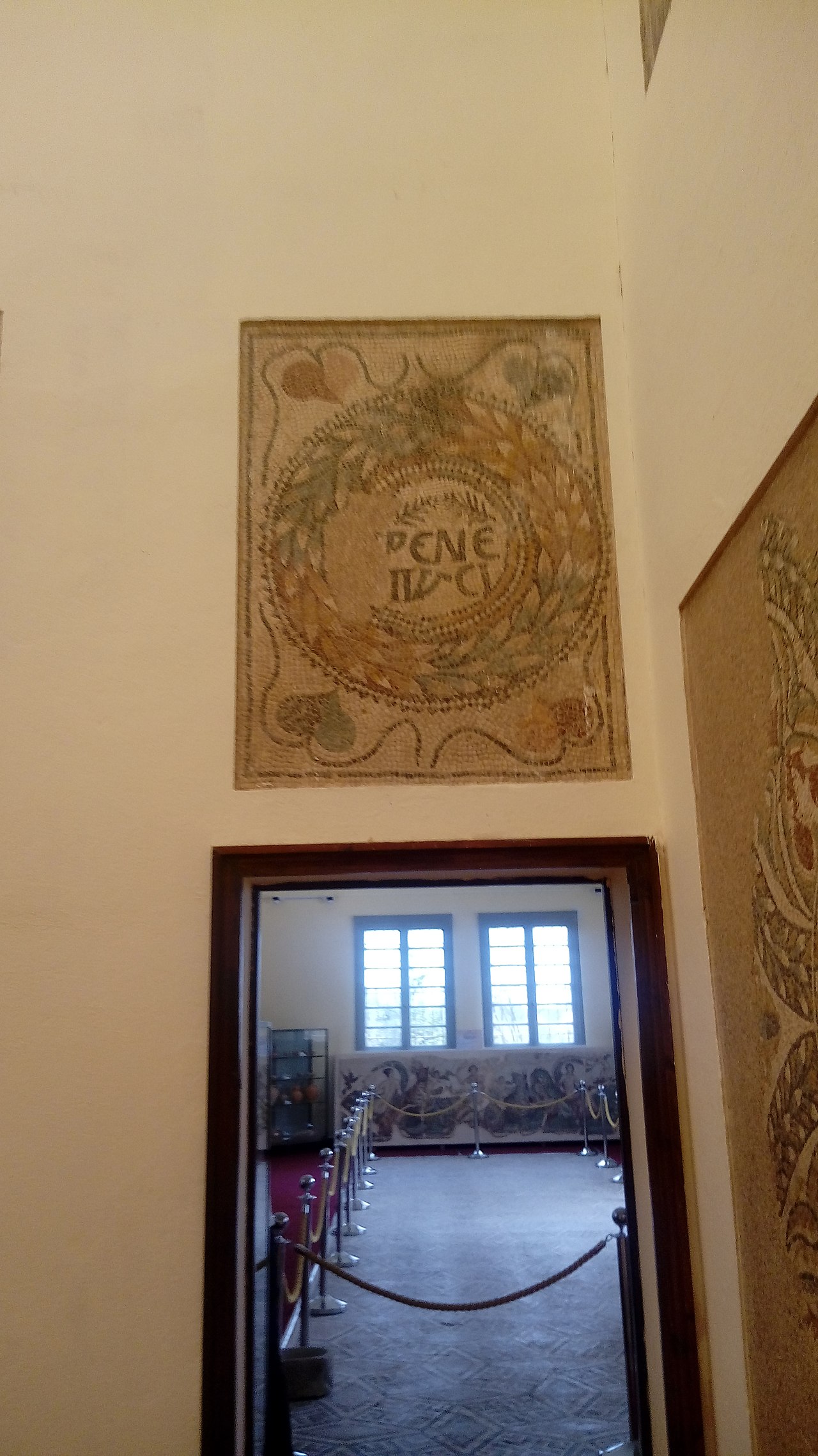
Mosaics are among the most remarkable artistic features associated with Timgad.
Originally decorating the city’s homes and buildings, they demonstrate the craftsmanship of the period and the importance placed on decorating private and public spaces.
Discovering these mosaics allows visitors to appreciate the artistic richness of ancient Thamugadi.
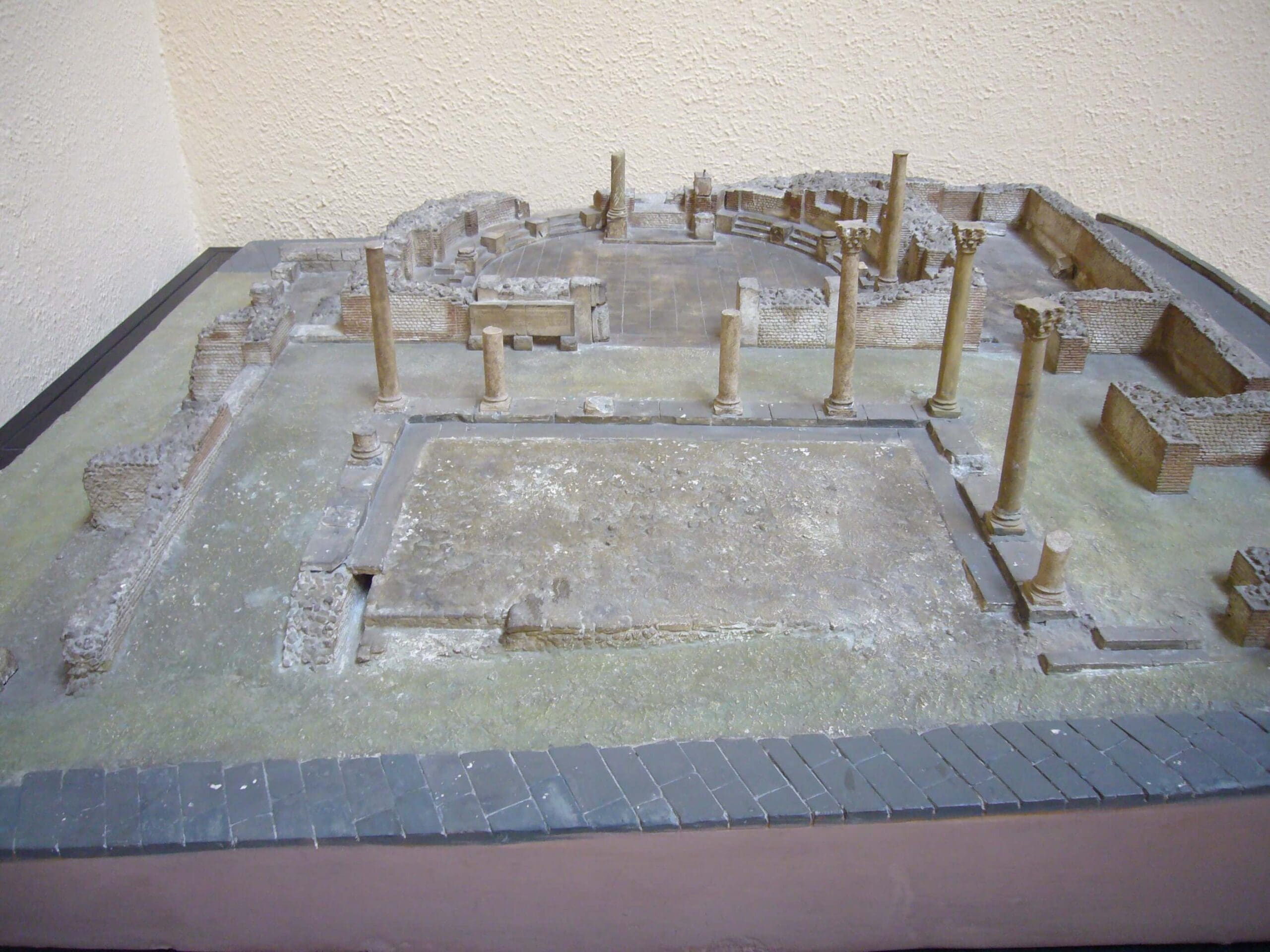
The museum also helps place Timgad’s archaeological remains in their historical context.
The ancient city had many facilities typical of Roman towns: public baths, markets, temples, homes, public spaces and entertainment venues.
Exploring these features provides a better understanding of the city’s organisation and the daily lives of its inhabitants almost two thousand years ago.
Founded under the name Colonia Marciana Traiana Thamugadi, Timgad gradually developed into a thriving city.
The city expanded beyond its original walls and gained numerous monuments and public facilities.
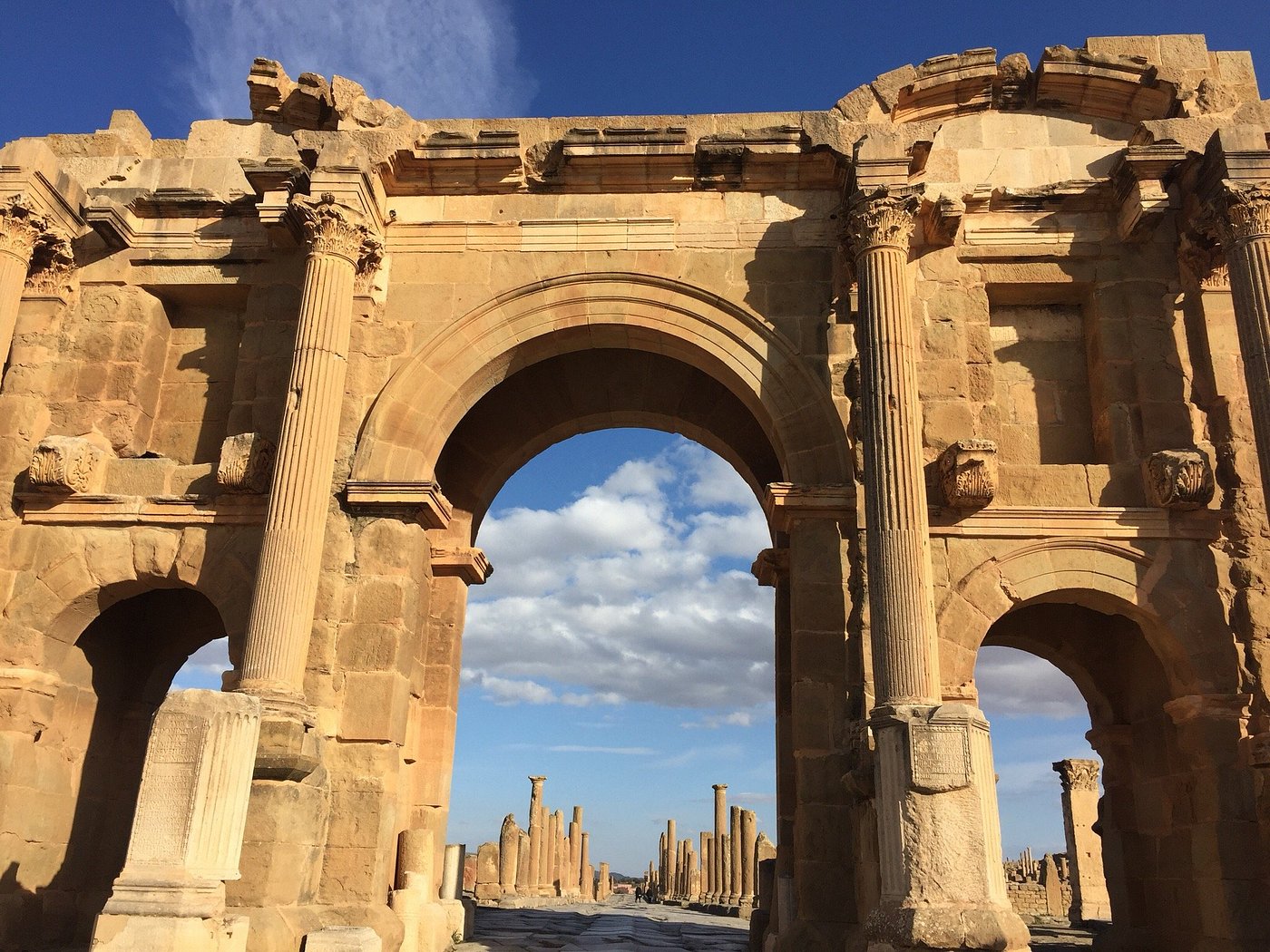
Among the most iconic remains still visible today is the famous Arch of Trajan, which has become one of the archaeological site’s symbols.
The Timgad archaeological site has been inscribed on the UNESCO World Heritage List since 1982.
This international recognition highlights the ancient city’s outstanding value and its importance for understanding Roman urban planning and the Roman presence in North Africa.
Timgad is therefore one of Algeria’s must-visit historic sites.
One of Timgad’s main attractions is the way the museum and the remains of the ancient city complement each other.
Visitors can explore the archaeological collections before walking through the ancient streets and monuments of Thamugadi.
This experience makes it easier to imagine the city’s layout and the daily lives of its inhabitants during Roman times.
Timgad lies in the Batna region, at the gateway to the Aurès Mountains, in surroundings that add to the site’s spectacular character.
A visit can be included in a trip exploring Batna and the Aurès, a region particularly rich in historical, archaeological, cultural and natural heritage.
For travellers passionate about archaeology, Roman history and Algerian heritage, the Timgad Site Museum is an essential stop.
Exploring the museum alongside the ruins offers a deeper understanding of this ancient city’s historical importance and the wealth of ancient heritage preserved in Algeria.
Timgad is also a major destination for anyone wishing to discover Algeria’s UNESCO World Heritage Sites.
Name: Timgad Site Museum
Associated site: Timgad Archaeological Site – Thamugadi
Category: Museum – Archaeology & History
Speciality: Roman archaeology, mosaics and ancient heritage
Municipality: Timgad
Province: Batna
Region: Aurès
Country: Algeria
Site designation: UNESCO World Heritage Site since 1982
Highlights: Museum, mosaics, Arch of Trajan, Roman roads, public baths and the ruins of Thamugadi
Opening hours, admission fees and access conditions may change, so visitors are advised to check them before visiting.
After visiting the Timgad Museum, continue exploring the extensive archaeological site of ancient Thamugadi.
Travellers can walk along its ancient roads, admire the Arch of Trajan and discover the remains of public baths, temples, markets and former homes.
A stay in the region also offers the opportunity to explore Batna and the Aurès Mountains and discover other aspects of this part of Algeria’s historical and natural heritage.
With Destination Algeria, discover museums, archaeological sites, monuments, UNESCO World Heritage Sites and a variety of cultural experiences in Batna and across Algeria.
News, events, places, good deals, and travel inspirations.
News, events, places, good deals, and travel inspirations.